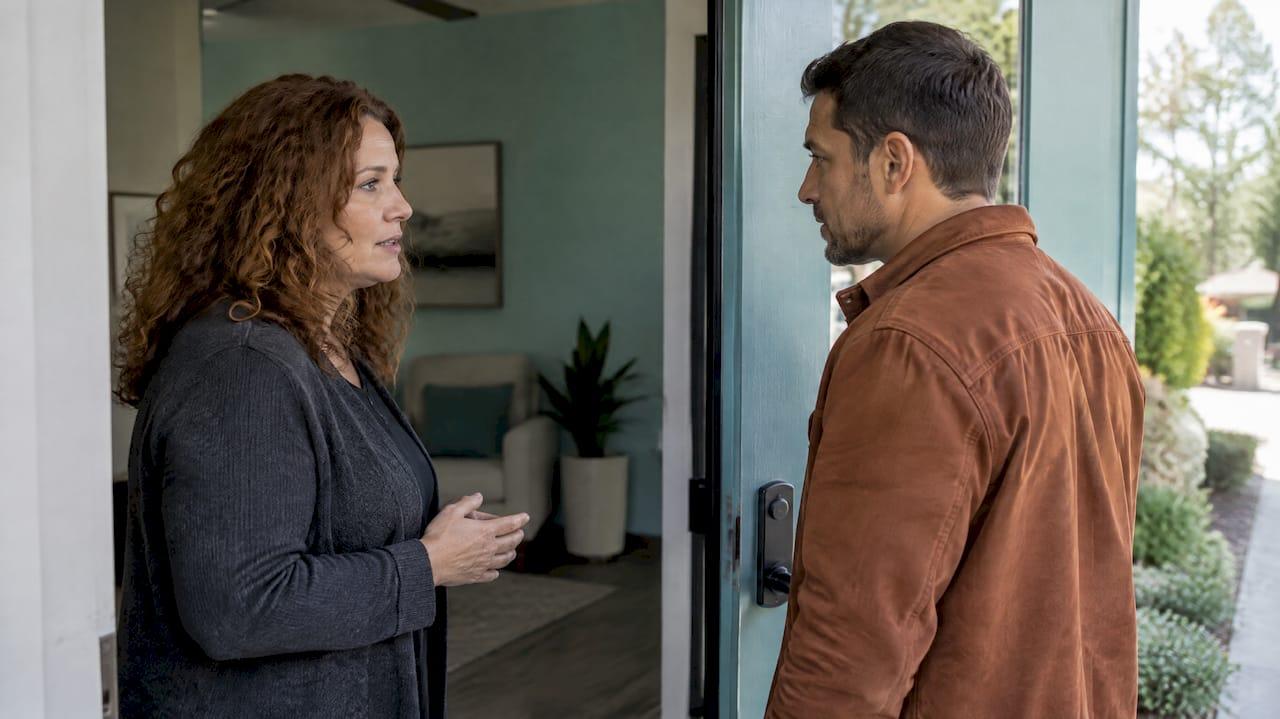
You can leave a residential rehab program at any time, because addiction treatment in the United States is voluntary. What matters is how you leave. Walking out in the middle of detox or in the first weeks, with no plan for medication, a ride, or follow-up care, is where most of the danger sits. If the urge to go is strong right now, the best first move is to tell your treatment team exactly what is making you want to leave, because many of the reasons people give can be changed from the inside.
This guide is for people who are in treatment and wavering, and for the families who get that phone call. It covers what the law and the paperwork look like, why the urge hits, the health risks, the insurance and probation questions, and what a safe exit looks like if leaving is truly the outcome.
TL;DR
- Treatment is voluntary: SAMHSA's family booklet says a person may leave a residential program at any time, and staff may ask you to sign a form saying you are leaving against medical advice (AMA).
- Wanting to leave is common, and the reasons are often fixable: disliking part of the program, outside demands, and unmet practical needs top the list in research.
- The risk is highest when medication is stopped suddenly. For opioid treatment, leaving is linked to a higher chance of overdose death.
- Probation or parole, and your insurance plan, can both be affected by an early exit. Ask about both before you decide.
- If you do leave, a written discharge plan with follow-up care, medication, and a safe ride home makes the difference.
Table of Contents
- Can you leave rehab whenever you want?
- Why people want to leave early
- The health risks of leaving early
- What happens at the moment you leave
- Probation, parole, and insurance
- Before you walk out: what to ask your team
- If you are leaving anyway: a safe-exit checklist
- How we handle this at Connected Recovery
- Our perspective
- For families: when your loved one calls to say they are leaving
- FAQ
- Sources
Can you leave rehab whenever you want?
Yes. SAMHSA's guide for families states that all alcohol and drug abuse treatment is voluntary and that a person may leave a residential program at any time. Nobody can hold an adult in a treatment program the way they might be held in a hospital under a court order. If treatment is incomplete, staff may ask you to sign papers saying you are leaving against medical advice, and they will usually try to learn why you want to go and address your concerns.
The same booklet adds one important caution: if treatment is part of probation or parole, there may be consequences for leaving. We cover that below.
State rules put the same idea in writing. In New York, people in programs certified by the state's addiction services agency may refuse treatment and discontinue treatment at any time. Washington's model policy for voluntary programs says any person may request voluntary discharge at any time, must be asked to sign a voluntary-discharge form, and that walking out without notice is treated as a voluntary discharge. Rules differ from state to state, so ask your program for its written discharge policy.
What "against medical advice" actually means
An AMA discharge is not a punishment or a legal finding. Delaware's behavioral health division defines it as a client declining services contrary to the provider's recommendations, and requires providers to educate every client on the risks of ending services this way so the decision is made with full information. The form documents that you were told the risks. Signing it does not blacklist you, and it does not stop you from coming back.
Why people want to leave early
The urge to leave is not a sign that you are failing. It is one of the most predictable parts of early treatment. A peer-reviewed study of 135 people who left outpatient treatment found the most common reasons were disliking some aspect of the program (31.8%), the program interfering with other activities (18.8%), ongoing substance use (13.7%), and practical problems such as transportation or childcare (12.1%). Smaller groups said they did not want or need help, had personal issues, or had money worries.

The same study asked what might have kept people engaged. Among those who named something, 54.2% pointed to social-service needs and 25.8% wanted more supportive staff. Notice what that means: more than half of the stated reasons were about things a team can work on, such as housing, legal, family, or work problems, and how supported a person feels.
That study looked at outpatient programs, but the pattern will sound familiar to anyone in residential care. Common triggers include:
- Cravings and discomfort in the first days. Withdrawal and early abstinence are physically and emotionally hard.
- Worry about what is happening outside. A job, children, a pet, a court date, a landlord.
- A mismatch with the program. A schedule, a group, or a counselor that does not feel right.
- Feeling better. Once the worst symptoms ease, some people decide they have it handled.
- Mental health symptoms. Anxiety, depression, or trauma can flare as substances leave the body, and leaving can feel like the only way to escape the feeling.
That last one matters. When substance use and a mental health condition occur together, treating only one often leaves the other pulling you out the door. Programs that treat both at once give those symptoms a place to be handled rather than a reason to leave. You can read more about how we approach dual diagnosis treatment and about what depression after detox can look like and how to plan for it.
The health risks of leaving early
The danger depends on when you leave and what you were being treated with.
During detox. Detox exists to manage withdrawal safely under medical watch. Leaving partway means leaving with the process unfinished and without the monitoring that made it safer. Our medical detox program is built around 24/7 medical supervision for exactly this reason.
On medication for opioid use disorder. The evidence here is direct. A review of SAMHSA's Treatment Improvement Protocol on medications for opioid use disorder notes that leaving methadone treatment is associated with increased risk of overdose death and that longer stays are associated with better outcomes. Michigan's state guidelines likewise state that early cessation of opioid medications for addiction treatment can lead to relapse. If you take medication as part of treatment, leaving should never mean going without it. Our medication-assisted treatment page explains how it fits into care, and our naltrexone safe-start checklist covers the first 90 days after detox.
Overdose and suicide risk. The VA/DoD clinical practice guideline for substance use disorders notes that suicide and accidental overdose occur at high rates among people with these disorders and directs that overdose education and naloxone be offered to patients at high risk for opioid overdose. If you leave, ask for naloxone and for someone you live with to know where it is. In an emergency, call 911.
Time matters. In a 2024 study of a telehealth intensive outpatient program, those discharged against clinical advice left after a mean of 63 days with only 8.53% of the program's phase work completed. Leaving usually means leaving mid-process, with most of the skills work still undone.

What happens at the moment you leave
In most programs the steps look like this:
- A conversation. Staff ask what is driving the decision and whether anything can be changed.
- Risk education. You are told the health risks of leaving at this point, and in some states providers are required to do this. Delaware's policy treats education as a duty the provider must meet before someone can be said to have chosen with full information.
- Paperwork. The AMA or voluntary-discharge form, and a record of what was offered.
- Discharge planning, if you allow it. Follow-up appointments, medication, and a safe way home.
- Follow-up contact. Some states require outreach. Delaware requires at least three documented attempts if a client stops attending without notice, and confirmation within 30 days after discharge that the person no longer wants services.
You can also ask for a written explanation of the discharge reason and how to appeal it where your state provides that right. New York's rules include a written explanation of discharge reasons and appeal information.
Some public rules now push programs to do more at this moment. Washington's proposed rule would require reports to the state within 30 days of each early release, including efforts made to prevent it and to set up a safe discharge plan, and continuity of care so people can continue approved medications with no missed doses. Marin County's guidelines call for residential providers to offer the same follow-up options as a completed step-down and to confirm safe transportation. The direction is clear: even an early exit should come with a plan.
Probation, parole, and insurance
Court or supervision requirements. If treatment is part of probation or parole, leaving can have consequences, as SAMHSA's booklet warns. Before you decide anything, talk to your attorney or your supervising officer. This is a legal question your treatment team cannot answer for you, though they can document your attendance and progress.
Insurance. Whether your plan covers a stay, and what happens if you stop early, depends on your policy and the authorization it gave. Call the member services number on your card and ask two things: how many days were authorized, and what happens to coverage if you leave and want to return. If a claim or authorization is denied, you have appeal rights. For employer-sponsored plans, federal ERISA rules require at least 180 days to file an appeal and answers to urgent claims within 72 hours, and internal appeals must be used before an external review.
Coverage gaps also hit people after residential care. A study of young people with opioid use disorder found many had to abruptly stop intensive outpatient care after residential discharge because of coverage limits and cost. The lesson: arrange the next level of care before the last day, not after.
Before you walk out: what to ask your team
If you are wavering, you have more options than "stay exactly as is" or "go now." Ask your team:
- Can the plan change? A different therapist, a different group schedule, or adjusted medication may solve what is bothering you.
- Can someone handle the outside problem? If the pressure is a job, a custody issue, or housing, case management exists for this. The research above shows social-service needs were the most common thing people said would have kept them in treatment.
- Can a family call help? A scheduled conversation with a loved one is sometimes enough to settle the worry.
- Is there a step-down? Partial hospitalization programs typically meet 3 to 5 days a week for up to 6 hours a day and are often used as a step-down after inpatient care. If you are medically ready for less intensity, a planned move to a lower level of care is a very different thing from a walk-out.
- What would I need in place to leave well? Medication, appointments, transportation, and a person who knows the plan.
Give it a full day if you can. Cravings and panic peak and fade. A decision made on the worst afternoon of the week is often not the decision you would make on the next morning.
If you are leaving anyway: a safe-exit checklist
If you have thought it through and are going, treat the exit as part of treatment.
- Ask for a written discharge plan. It should list follow-up appointments with dates, a prescriber or clinic for any medication, and a contact for questions. Our guide to locking in the first follow-up and medications after rehab walks through it.
- Leave with medication in hand or a confirmed pharmacy pickup. For anyone on medication for opioid use disorder, no missed doses is the goal.
- Get naloxone and make sure someone knows where it is.
- Line up a therapist or program before day one at home. Our practical guide to finding a therapist after rehab can help, as can a telehealth aftercare option if distance or schedule is the barrier.
- Arrange a safe ride and a safe place. Do not leave alone at night with no destination. If home is where use happened, think about where you can stay instead. Practical advice on planning a Southern California discharge covers transportation, medication continuity, and follow-up connections.
- Put the first 72 hours in writing. Who you will call, where you will be, and what you will do when a craving hits. Families can use this first-72-hours plan.
- Know that the door stays open. Coming back after an early exit is common and does not erase what you did complete.
How we handle this at Connected Recovery
Our Van Nuys facility has 12 beds, and we built it that way on purpose. In a small setting, the people treating you know your name, your history, and what is wearing on you, and that is the setting in which the problems that push people toward the door can be heard and addressed. We provide medically supervised detox with 24/7 medical supervision, residential treatment, dual diagnosis care, medication-assisted treatment, and aftercare and discharge planning so that every stay, whatever its length, ends with a plan.
If you or a family member are weighing admission, or you are already in treatment and want to talk through a plan, you can reach us through our residential treatment page.

Our perspective
Most people who want to leave are not saying "I am done with recovery." They are saying "something here is unbearable," and that something is usually specific: a symptom, a worry, a relationship, a schedule.
That is why we keep our program small. With 12 beds, a clinician can notice a change in someone's mood before it becomes a decision to leave. When substance use and a mental health condition are both in the room, we treat them together, because the untreated one tends to drive the other.
We also believe the exit should be planned even when it is early. Discharge planning and aftercare are part of what we do from the start, not an afterthought on the last day. If someone does need to step down or go home sooner than we would recommend, the work is to make that move as safe as possible: medication continuity, follow-up care, and a family that knows the plan.
If you are on the edge of leaving, say so out loud to someone on your team. That one conversation changes more than people expect.
Jim
For families: when your loved one calls to say they are leaving
A call like this is frightening, and the instinct is to argue or plead. A few things work better.
- Ask what happened. Listen for the specific trigger. It might be something the staff can fix today.
- Connect them to their team. Encourage a conversation with their counselor before they pack. Programs expect this and are used to it.
- Do not make the ride home the plan. If they will leave regardless, help build the discharge plan: appointments, medication, naloxone, a safe place to stay.
- Remember you cannot force an adult to stay. The law treats this as the person's choice, so your role is support and safety, not control.
- Keep the door open. Shame is a reason people avoid returning. A calm "you can come back" matters.
If you are still choosing a program for someone, our guide on choosing a rehab lists what to look for before admission, including how a program handles the moment someone wants to go.
FAQ
What happens if you leave rehab early?
You will usually be asked to sign a form stating you are leaving against medical advice, and staff will try to understand why and address your concerns. The main consequences are health risks, possible effects on probation or parole, and questions about insurance coverage if you want to return. You are generally free to seek treatment again later.
Does rehab allow you to leave?
Yes. Addiction treatment is voluntary, and adults may leave residential programs at any time according to SAMHSA's family guide. State rules, such as those in New York and Washington, say the same. A program can encourage you to stay and explain the risks, but it cannot hold you.
Will insurance cover rehab if you leave early?
It depends on your plan and the days it authorized. Call your insurer and ask what is covered if you leave and later return. If something is denied, you have appeal rights, and for employer plans the federal timelines include at least 180 days to appeal. A program's admissions team can often help you understand the authorization.
Why do people leave rehab early?
Research points to disliking part of the program, outside demands on time, ongoing substance use, and practical problems such as transportation, childcare, or money. Many people who left said that help with social-service needs or more supportive staff could have kept them engaged, which is why raising the problem with your team first matters.
Is it dangerous to leave detox or stop medication suddenly?
It can be. Leaving detox mid-process means leaving without medical monitoring, and stopping opioid treatment medication is associated with relapse and, in the case of methadone, higher overdose death risk. If you are leaving, ask for a discharge plan, your medication, and naloxone, and call 911 in an emergency.
Sources
- What is substance abuse treatment? A booklet for families (SAMHSA)
- Patient Rights and Protections (New York OASAS)
- Model policy for voluntary SUD agencies (Washington State Department of Health)
- Washington State Register, WSR 25-08-008
- Administrative and AMA Discharges policy (Delaware DSAMH)
- Clinical and Administrative Practice Guidelines, September 2025 (County of Marin)
- What could the program have done differently? A qualitative study of treatment dropouts
- Patient engagement in telehealth SUD intensive outpatient treatment
- Post-residential treatment outpatient care preferences
- VA/DoD Clinical Practice Guideline for Substance Use Disorders
- Michigan Medication Assisted Treatment Guidelines for Opioid Use Disorders
- A Review of TIP 63: Medications for Opioid Use Disorder
- Parity Toolkit for Addiction and Mental Health Consumers
- Literature Review: Substance Abuse Outpatient Treatment (University of New Mexico)
- Planning a Southern California discharge