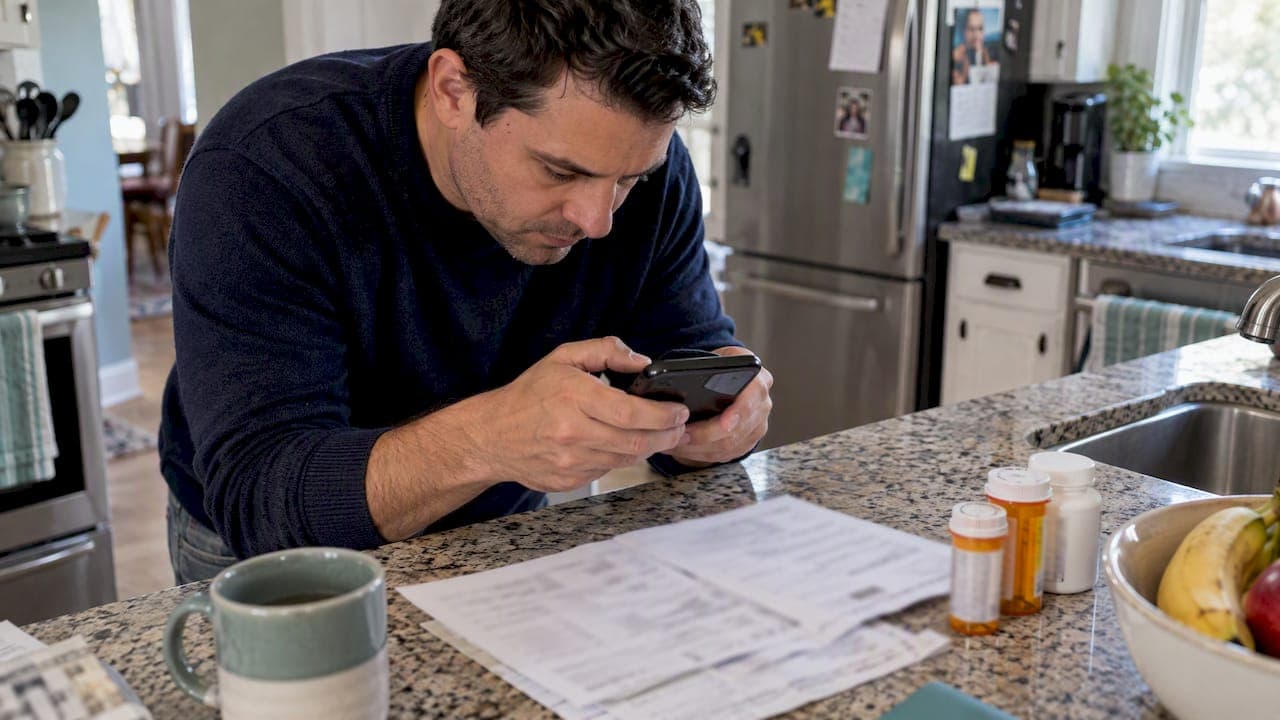
Discharge planning starts immediately on admission, and the goal is a written, teach-back-verified aftercare plan that includes a reconciled medication list and a scheduled follow-up appointment. Before anyone leaves a rehab facility, two things should already be confirmed: an accurate list of every medication to take at home, and a specific date for the first follow-up visit. Everything else in the planning process supports those two anchors.
TL;DR:
- CMS requires rehabilitation facilities to begin discharge planning at admission; many document a formal plan within 72 hours and review it weekly.
- Transitional Care Management contact should occur within two business days, with a visit scheduled 7 to 14 days after discharge and completed within 30 days.
- Have the patient or caregiver explain medication and self care instructions in their own words; a thick packet alone cannot confirm understanding.
- For substance use recovery, arrange peer support, community referrals, or sober living before discharge, and ask who handles after hours problems.
Table of Contents
- Who's on the discharge team and who to ask for what
- When discharge planning happens and what timeline to expect
- What a safe rehab discharge plan must include
- A step-by-step checklist for patients and caregivers
- How insurance and follow-up services affect your discharge plan
- How a boutique residential program puts discharge planning into practice
- Addressing psychosocial and emotional support needs during discharge
- What most discharge advice gets wrong
- Getting support for detox, residential care, and discharge planning
- FAQ
- Sources
Who's on the discharge team and who to ask for what
Discharge planning is not one person's job. A physician signs off on medical readiness, while a discharge nurse or coordinator usually manages the moving pieces day to day. A social worker or case manager handles referrals, benefits paperwork, and community placement, and a pharmacist typically leads the medication reconciliation that catches dangerous drug interactions or duplications before they become home emergencies. Physical and occupational therapists assess mobility, home safety, and equipment needs.
Family members and caregivers carry real responsibility too, since many home-based tasks fall to them once the clinical team steps back.
- Physician: confirms medical stability and authorizes discharge.
- Discharge nurse or coordinator: organizes the written plan and timeline.
- Social worker or case manager: arranges referrals, insurance details, and community resources.
- Pharmacist: reconciles medications and flags interactions.
- PT/OT: evaluates mobility, home safety, and durable equipment needs.
- Family or caregiver: confirms their name and contact details appear on the After Hospital Care Plan.
Ask the team directly who holds each of these roles for your case, and get names before discharge day arrives.
When discharge planning happens and what timeline to expect
Discharge planning should begin at admission, not days before someone leaves. CMS requires inpatient rehabilitation facilities to initiate comprehensive discharge planning upon admission, with many facilities documenting a formal plan within 72 hours and reviewing it at least weekly as the patient's condition changes.
- Admission: initial goals and discharge criteria are set.
- Weekly team reviews: the interdisciplinary team updates the plan as progress occurs.
- Pre-discharge teaching: medication and self-care instruction begins days before leaving.
- Discharge day: final checklist, paperwork, and transportation are confirmed.
- Three-day phone follow-up: a team member checks in on medications and symptoms.
- Seven to fourteen day window: a face-to-face visit or Transitional Care Management appointment occurs.
Knowing this rhythm in advance helps families ask the right question at the right time instead of scrambling on the last day.
What a safe rehab discharge plan must include
A safe discharge plan has specific, checkable parts rather than vague reassurances. The AHRQ Re-Engineered Discharge (RED) toolkit outlines the core components that reduce confusion and readmission risk after leaving a facility.
- Reconciled medication list, with old prescriptions clearly stopped or changed.
- Follow-up appointments already scheduled, not just recommended.
- Pending test results assigned to someone for follow-up.
- Durable medical equipment and home health services arranged before discharge day.
- Teach-back confirmation that the patient or caregiver can explain the plan in their own words.
- Written warning signs and emergency contact numbers.
- Prompt transmission of the discharge summary to outpatient clinicians.
The RED model reports that most intervention subjects left with both a scheduled primary care appointment and a reconciled medication list in hand, according to the AHRQ RED toolkit. That combination matters because missed appointments and medication errors are two of the most common reasons people end up back in a hospital or treatment setting within weeks of discharge.
A step-by-step checklist for patients and caregivers
A good discharge plan only works if someone actually follows through on it. Breaking the process into three windows makes it manageable.
Before discharge:
- Confirm you have a printed or electronic copy of the full medication list.
- Verify the first follow-up appointment is scheduled, not just suggested.
- Confirm delivery or pickup plans for any durable medical equipment.
- Complete teach-back on medications, wound care, or other self-care tasks.
- Get a written After Hospital Care Plan with emergency contact numbers.
Discharge day and the first 72 hours: 6. Fill prescriptions or confirm pharmacy delivery before you need the next dose. 7. Confirm transportation home and who will be present. 8. Keep copies of any insurance authorizations received. 9. Expect a reinforcement phone call within three days to review medications and symptoms.
The first 30 days: 10. Attend every scheduled follow-up, including any Transitional Care Management visit. 11. Use community supports such as peer recovery programs or telehealth aftercare when in-person visits aren't practical. 12. Call the clinic immediately if warning signs listed in the plan appear.
Pro Tip: Take a photo of your medication list and After Hospital Care Plan on your phone the day you leave, so you have it even if the paper copy gets lost.
How insurance and follow-up services affect your discharge plan
Coverage details shape what actually happens after discharge, so it pays to ask specific questions before leaving. CMS Transitional Care Management guidance requires an interactive contact within two business days of discharge and a face-to-face visit within 7 to 14 days, depending on the complexity code billed (CPT 99495 or 99496), all within a 30-day post-discharge window.
- Ask who is responsible for that two-day check-in call and how to reach them.
- Confirm which provider will bill the Transitional Care Management visit and when it's scheduled.
- Clarify who arranges home health or durable medical equipment once you're discharged, since responsibility sometimes shifts from the facility to an outside agency.
- Request the case manager's direct contact number for problems that come up after hours.
- Keep copies of every insurance authorization, since rapid discharges tied to payer rules can happen with little notice.
Asking these questions at admission, not at the last minute, gives families time to plan instead of react.
How a boutique residential program puts discharge planning into practice
Smaller treatment settings can apply these steps with more consistency because fewer patients mean more staff attention per discharge. At Connected Recovery, a 12-bed capacity supports integrated treatment for substance use and co-occurring mental health disorders alongside 24/7 medical supervision, which allows case management staff to coordinate follow-up appointments directly rather than handing off a list of phone numbers.
- Case managers arrange outpatient and telehealth follow-ups before discharge day, not after.
- Pharmacist-led medication reconciliation happens alongside medical detox and residential care.
- Aftercare planning includes written plans and emergency contacts tailored to each person's situation rather than a generic template.
This kind of close coordination reflects the same RED and Transitional Care Management principles described above, applied at a smaller scale.
Addressing psychosocial and emotional support needs during discharge
Medication lists and appointment dates matter, but discharge planning that ignores emotional readiness tends to fail quietly. Leaving a structured rehab environment often brings anxiety about relapse, isolation, or returning to a home situation that contributed to the original problem. A discharge plan that only covers logistics misses this.
Case management and coordinated referrals play a critical role for people with substance use disorders, particularly when peer recovery support is built into the plan rather than offered as an afterthought. Peer specialists who have lived through similar transitions can address fears that a clinician might not think to ask about, and early connection to community-based support groups or sober living arrangements reduces the risk of disengaging in those first vulnerable weeks.
Family involvement matters here too. Caregivers often carry their own stress and uncertainty about their new role, and a short conversation with a social worker about realistic expectations can prevent burnout or conflict at home. Asking the discharge team directly, "What emotional support is built into this plan, not just the medical side," is a reasonable and useful question. A plan that addresses only physical needs while leaving psychological and social support to chance sets patients up for a harder transition than necessary.

What most discharge advice gets wrong
Most discharge planning advice treats the process as a single event: a folder of papers handed over on the last day. That framing undersells what actually keeps people stable afterward. The evidence behind the RED model and Transitional Care Management guidance points to something different: discharge planning is a sequence of small, verifiable actions spread across weeks, not a signature on a final form.

The most overrated piece of the process is paperwork volume. A thick discharge packet means little if no one can explain it back in their own words. Teach-back, the simple act of asking a patient or caregiver to repeat instructions in their own language, catches more misunderstandings than any amount of printed material.
If you take one thing from this guide, prioritize the first follow-up appointment and the medication list above everything else. Confirm both are locked in before you focus on insurance paperwork or equipment logistics. Everything downstream, including Transitional Care Management visits and warning-sign awareness, depends on those two pieces being right first.
— Jim
Getting support for detox, residential care, and discharge planning
If you're weighing where to start treatment, we built our program around the same principles described above: a written plan, a reconciled medication list, and a follow-up schedule that's confirmed before anyone walks out the door. Our 12-bed facility keeps staff attention high through Medical Detox, Residential Treatment, and dedicated Discharge Planning services that carry through to aftercare.

- We verify insurance coverage before admission so there are no surprises at discharge.
- Our intake call covers your situation and what a tailored discharge plan would include.
- Case management and aftercare planning are part of every residential stay, not an add-on.
Call our admissions team or visit our programs page to check availability and start the intake process.
This article is general information, not a substitute for advice from a qualified doctor. Consult a qualified healthcare professional about your own circumstances before acting on anything here.
FAQ
What are the 10 steps to discharge planning?
There's no single universal 10-step list, but core components typically include early planning at admission, medication reconciliation, scheduling follow-up appointments, arranging home health or equipment, patient and caregiver education with teach-back, written warning signs, and transmission of the discharge summary to outpatient providers. The AHRQ RED toolkit organizes these into a structured checklist used across many hospital and rehab settings.
What are the 5 D's of discharge?
Definitions vary across institutions, and there's no single standardized "5 D's" framework used consistently across rehab and hospital settings. If your facility uses this term, ask your discharge coordinator what specific categories they're referring to rather than assuming a universal definition applies.
What are the steps of discharge planning?
Discharge planning generally starts at admission with goal-setting, continues through weekly team reviews and patient education, and concludes with a written plan covering medications, appointments, equipment, and emergency contacts. CMS guidance requires this process to be interdisciplinary and documented throughout the stay, not finalized only on the last day.
When does discharge planning begin for patients needing rehabilitation?
Discharge planning begins at admission, not near the end of a stay. CMS requires inpatient rehabilitation facilities to initiate comprehensive discharge planning upon admission, with many facilities formalizing the written plan within the first 72 hours and reviewing it weekly as the patient's needs change.
Sources
- AHRQ — Re-Engineered Discharge (RED) toolkit
- CMS — discharge planning rule fact sheet
- SAMHSA — Comprehensive case management for substance abuse treatment (TIP 27 summary)