
Depression and substance use disorder (SUD) frequently occur together in what clinicians call co-occurring disorders or a dual diagnosis, and the relationship runs in both directions. Depression can push someone toward drugs or alcohol to numb symptoms, while substance use and withdrawal can trigger or deepen depressive episodes on their own. According to SAMHSA, many adults in the United States live with a co-occurring mental illness and substance use disorder, and a substantial proportion of people with a SUD will experience a mental health condition like depression at some point. The DSM-5 urges clinicians to weigh timing carefully before diagnosing, since symptoms during active use or withdrawal can mimic primary depression. Connected Recovery treats both conditions as one integrated process rather than two separate problems.
If you or someone you love is having suicidal thoughts, has overdosed, or is going through severe withdrawal (seizures, hallucinations, extreme agitation), call 911 or go to the nearest emergency room now. You can also reach the 988 Suicide and Crisis Lifeline by calling or texting 988. These situations cannot wait for a scheduled appointment.
Key Takeaways
Depression and substance use disorder feed each other in both directions, and treating them together through integrated, coordinated care produces better outcomes than treating either one alone.
| Point | Details |
|---|---|
| The link runs both ways | Depression can lead to substance use through self-medication, and substance use or withdrawal can trigger depression directly. |
| Co-occurrence is common | Many U.S. adults have a co-occurring mental illness and SUD, per SAMHSA. |
| Timing drives diagnosis | Clinicians often wait through a period of monitored abstinence before confirming a primary depression diagnosis, unless symptoms are severe. |
| Integrated treatment works best | Therapy, medication, and coordinated psychiatric and addiction care together outperform treating one condition in isolation. |
| Connected Recovery treats both together | Its 12-bed Van Nuys facility offers medically supervised detox, dual-diagnosis residential care, MAT, and coordinated aftercare planning. |
Table of Contents
- What Is Depression and What Does It Look Like?
- Understanding Substance Use Disorder and Its Overlap With Depression
- How Are Depression and Substance Use Actually Linked?
- How Common Is Co-Occurring Depression and Substance Abuse?
- What Does Brain Research Say About the Depression and Addiction Connection?
- How Do Clinicians Diagnose Depression Versus Substance-Induced Symptoms?
- What Treatment Actually Works for Co-Occurring Depression and Addiction?
- What Level of Care Do You Actually Need?
- Where to Get Help Right Now
- Sources
What Is Depression and What Does It Look Like?
Depression isn't a single condition. It's a category that includes major depressive disorder, persistent depressive disorder (dysthymia), depressive episodes within bipolar disorder, seasonal affective disorder, and postpartum depression. Each has its own timeline and triggers, but they share a core set of symptoms that disrupt daily functioning.
Recognizing the pattern matters more than memorizing a diagnostic label. Watch for:
- Persistent low mood or irritability lasting most of the day, nearly every day
- Anhedonia, meaning a loss of interest or pleasure in activities that used to feel rewarding
- Sleep disruption, either insomnia or sleeping far more than usual
- Appetite or weight changes in either direction
- Trouble concentrating or making decisions
- Fatigue or loss of energy that doesn't improve with rest
- Thoughts of death or suicide
Here's where it gets complicated: many of these same symptoms show up during drug or alcohol intoxication and withdrawal. Someone coming down from a cocaine binge can look and feel clinically depressed for days. Someone withdrawing from alcohol may report the same hopelessness and sleep disturbance as a person with major depressive disorder. Timing is everything, and that overlap is exactly why an accurate diagnosis takes more than a single conversation.
Understanding Substance Use Disorder and Its Overlap With Depression
A substance use disorder means a pattern of use that spirals beyond someone's control. Clinically, that includes cravings, tolerance (needing more to get the same effect), withdrawal symptoms when the substance wears off, and continued use despite clear harm to health, relationships, or work. It's not a matter of willpower. It's a diagnosable, treatable medical condition.
Some substances have a particularly tight relationship with depressive symptoms. Alcohol is a central nervous system depressant, and heavy or chronic use directly disrupts the brain chemistry involved in mood regulation. Opioids blunt the reward system over time, often leaving flattened mood and low motivation in their wake. Benzodiazepines, when misused, follow a similar depressant pattern to alcohol. Stimulants like cocaine or methamphetamine cause an intense high followed by a "crash" that can look indistinguishable from a major depressive episode for several days. Cannabis, particularly heavy or daily use, has been linked to worsening depressive symptoms in some users, though the picture is less consistent than with the other substances.
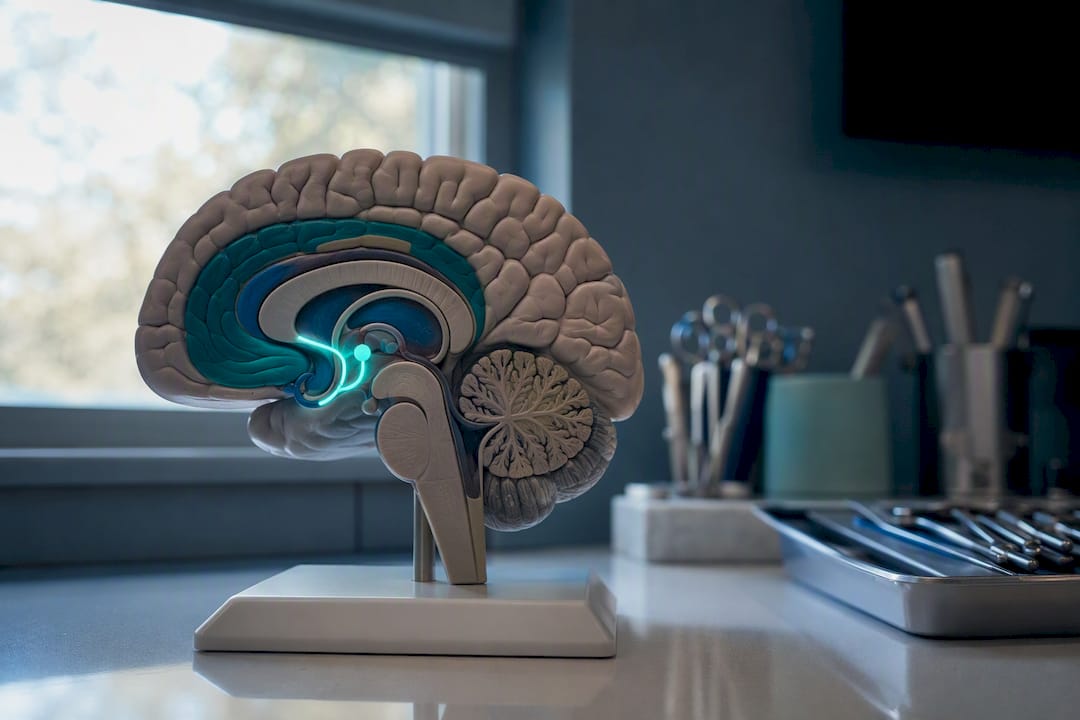
The key clinical distinction is timing: does the depression predate the substance use, or did it appear during intoxication or withdrawal and start fading with sustained abstinence? That distinction shapes everything about the treatment plan that follows.
How Are Depression and Substance Use Actually Linked?
The connection isn't one-directional, and it isn't simple. Two mechanisms explain most of what clinicians see, and they often feed into each other over time.
The first is self-medication. Someone experiencing depression's fog, low energy, or emotional pain reaches for alcohol or drugs because they work, at least temporarily. Alcohol dulls anxiety. Opioids numb emotional pain. Stimulants counteract fatigue and low motivation. The relief is real, which is exactly the problem: it teaches the brain to keep reaching for the substance every time depressive symptoms resurface.
The second mechanism runs the opposite direction. Substance use and, especially, withdrawal can directly cause depressive symptoms through changes in brain chemistry. This is what clinicians call substance-induced depressive disorder, a distinct diagnostic category from primary depression. Its defining feature is timing: symptoms emerge during or shortly after intoxication or withdrawal, tied to a specific substance rather than existing independently.
A typical path toward co-occurring disorders might look like this:
- Genetic vulnerability to mood disorders combines with early-life trauma or chronic stress
- Depressive symptoms emerge, often in adolescence or young adulthood
- The person discovers that alcohol or drugs temporarily relieve the distress
- Repeated use causes neuroadaptation, meaning the brain's reward and stress systems recalibrate around the substance
- Tolerance and dependence develop, and a full substance use disorder takes hold
- Withdrawal and the neurochemical aftermath of chronic use intensify the original depression, often worse than before
The reverse chain happens too: heavy substance use disrupts sleep, relationships, and finances, which generates real depressive symptoms that have nothing to do with a prior mood disorder and everything to do with the wreckage substance use itself creates.
Shared risk factors explain why these two conditions cluster in the same people so often. Genetics load the dice for both depression and addiction. Early trauma, abuse, or chronic adversity raises risk for both independently. Social determinants like poverty, isolation, and lack of access to care compound the problem. And underneath all of it, depression and addiction both hijack overlapping neural circuitry involved in reward and mood regulation, which is why treating one in isolation so rarely works.
Pro Tip: If you're not sure whether what you're feeling is "real" depression or just a rough comedown, don't try to self-diagnose. Write down when your low mood started relative to your last use, and bring that timeline to a clinical evaluation. It's one of the most useful pieces of information you can hand a provider.
How Common Is Co-Occurring Depression and Substance Abuse?
This isn't a rare overlap. SAMHSA's National Survey on Drug Use and Health estimates that about 21.2 million adults in the United States have a co-occurring mental illness and substance use disorder, and roughly half of people with a SUD experience a mental health condition like depression at some point, with the reverse also holding true. Mood disorders rank among the most common psychiatric comorbidities seen alongside substance use, and research consistently shows worse clinical outcomes when both conditions go unaddressed together.
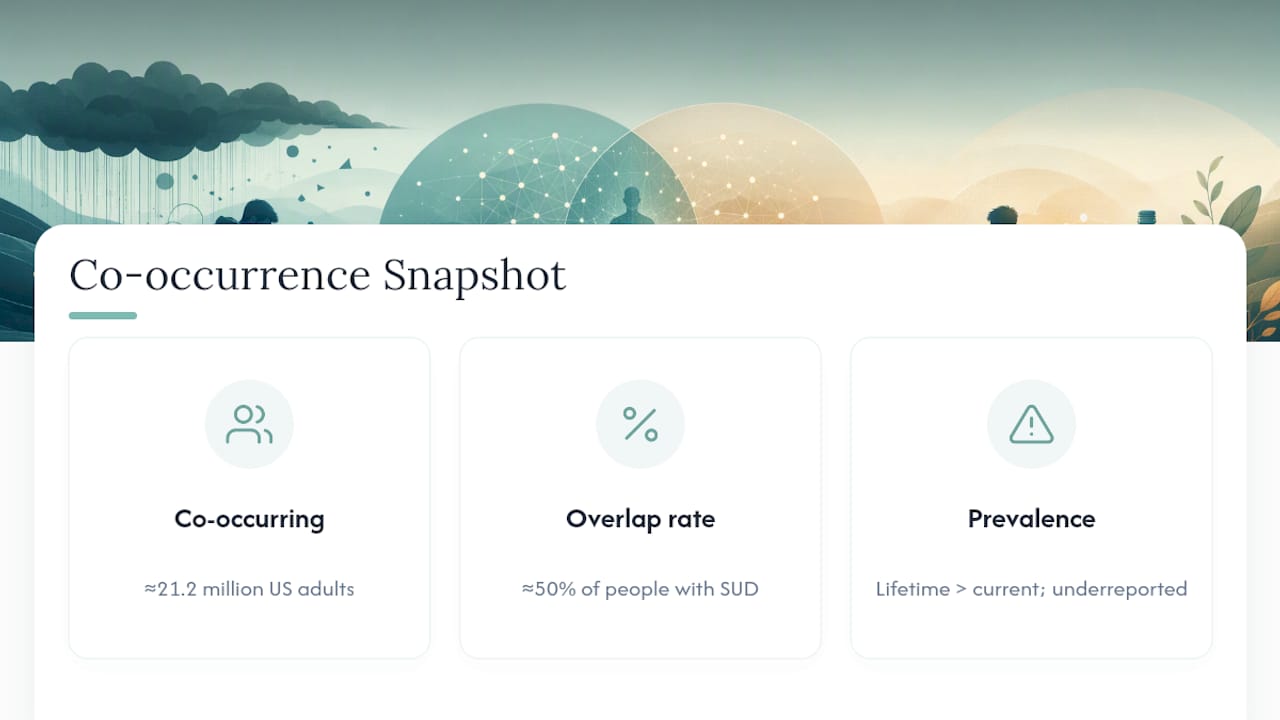
These numbers likely undercount the real scope of the problem. Lifetime prevalence, meaning "has this happened at any point in someone's life," runs higher than current prevalence, meaning "is this happening right now." Stigma keeps many people from disclosing either condition to a doctor, and primary care visits rarely screen for both at once. Someone might get treated for depression for years without anyone asking about drinking habits, or vice versa.
The takeaway for a worried reader isn't a precise percentage. It's that if you're dealing with one of these conditions, checking for the other isn't paranoid. It's statistically the smart move, and it directly affects what kind of care you should be looking for.
What Does Brain Research Say About the Depression and Addiction Connection?
Depression and addiction aren't just correlated by coincidence. They share overlapping wiring in the brain's reward circuitry, particularly a region called the nucleus accumbens, which governs motivation, pleasure, and the drive to seek out rewarding experiences. Dopamine signaling through this circuit is what makes food, connection, and achievement feel good under normal circumstances.
Substance use hijacks that same system. Repeated exposure to drugs or alcohol floods the reward circuit far beyond what natural rewards can match, and the brain adapts by dialing down its own baseline dopamine response. That process, called neuroadaptation, is a major reason why long-term substance use deepens anhedonia, the loss of pleasure that's a hallmark symptom of depression. Everyday things that used to feel good, a meal, a conversation, a hobby, stop registering, and the substance becomes one of the only things that still produces a response.
This is why treating co-occurring disorders with talk therapy alone, or medication alone, so often falls short. The clinical implication is straightforward: effective care has to address the neurochemical piece and the behavioral piece at the same time, which is exactly the logic behind integrated dual-diagnosis treatment rather than treating addiction and depression as two separate appointments on two separate calendars.
How Do Clinicians Diagnose Depression Versus Substance-Induced Symptoms?
Getting an accurate diagnosis takes more than a single intake form, and a good provider will tell you that upfront rather than hand you a label after one conversation.
Clinicians typically start with validated screening tools: the PHQ-9 for depressive symptom severity, the AUDIT for alcohol use patterns, and the DAST for broader drug use screening. These tools flag the presence and severity of each condition, but they can't yet tell you which one is driving the other.
That's where timing comes in. A practical evaluation generally follows this sequence:
- Initial screening using PHQ-9, AUDIT, or DAST to establish a baseline picture of mood and substance use.
- A period of monitored abstinence or stabilization, often during medical detox, since intoxication and withdrawal can mask or mimic mood symptoms.
- Reassessment of mood symptoms after a period of sustained abstinence, typically several weeks, unless the symptoms are severe.
- A full diagnostic interview to distinguish substance-induced depressive disorder from an independent, primary depressive disorder.
Some situations override the wait-and-see approach entirely. Suicidal ideation, a rapid functional decline, or dangerous withdrawal symptoms like seizures or delirium tremens require immediate intervention regardless of where someone sits in the assessment timeline.
The DSM-5 explicitly cautions against locking in a permanent depression diagnosis too early when substances are involved, since symptoms during early sobriety are often temporary and can fade substantially within weeks. Ongoing reassessment, not a one-time verdict, is the standard of good care. If you want a deeper walkthrough of what that evaluation process looks like in practice, Connected Recovery's guide to co-occurring disorder diagnosis covers what to expect.
What Treatment Actually Works for Co-Occurring Depression and Addiction?
Integrated care means treating depression and substance use disorder at the same time, by the same coordinated team, instead of sending someone to two separate providers who never talk to each other. It's not a philosophical preference. Evidence consistently shows that treating both conditions simultaneously produces better long-term outcomes than treating either one in isolation, largely because untreated mood symptoms are one of the most common triggers for relapse.
On the therapy side, several approaches have solid evidence behind them for dual diagnosis specifically:
- Integrated cognitive behavioral therapy (CBT) that addresses distorted thinking patterns tied to both depression and substance use in the same sessions
- Behavioral activation, which rebuilds engagement with rewarding activities to counter anhedonia
- Motivational interviewing, useful early in treatment when someone feels ambivalent about change
- Contingency management, which uses structured incentives to reinforce sobriety, particularly effective for stimulant use disorders
- Group-based approaches, which reduce isolation and normalize the dual-diagnosis experience
Medication plays a real role too, though the evidence has nuance worth understanding. Antidepressants, particularly SRIs, are often used as a first-line option for depression alongside SUD because they tend to be well-tolerated. Research shows modest but real benefits in comorbid samples overall, with a stronger signal in people with alcohol use disorder than in those with other drug dependencies. That's not a guarantee of a dramatic fix, but it's a meaningful piece of a larger plan. For opioid or alcohol use disorder specifically, medication-assisted treatment (MAT) reduces cravings and withdrawal risk, and coordination between addiction and psychiatric providers matters here: stopping or adjusting either medication without communication between providers can destabilize mood or raise relapse risk.
That coordination piece is often the difference between a program that works and one that quietly fails someone. Case management, regular psychiatric medication review, and consistent communication between the addiction team and the mental health team aren't optional extras. They're what keeps two treatment plans from working against each other.
If you're evaluating a treatment program for yourself or someone you love, ask directly: Does this program treat both conditions, or just one? Is care coordinated between providers, or will I be bounced between separate offices? Is medication management available on-site, with real medical oversight? A program's answers to those three questions tell you almost everything you need to know about whether it's actually built for dual diagnosis. Individualized therapy built around both conditions, rather than a generic template, tends to produce far better traction for patients navigating this overlap. Sleep disruption from alcohol use in particular tends to compound depressive symptoms in ways patients don't always connect on their own, an interaction worth understanding in more detail if drinking has been part of your pattern.
What Level of Care Do You Actually Need?
Not everyone needs the same intensity of treatment, and matching the right level of care to your situation matters as much as the treatment content itself.
Medical detox comes first for anyone physically dependent on alcohol, opioids, benzodiazepines, or other substances with dangerous withdrawal profiles. Round-the-clock medical monitoring manages withdrawal safely and catches depressive symptoms that spike during this window.

Residential or inpatient treatment with integrated psychiatric services suits people whose depression and substance use are severe enough to disrupt daily functioning, or who've relapsed after less intensive care. Expect structured days combining therapy, medication management, and stabilization.
Intensive outpatient programs (IOP) work for people stable enough to live at home but who still need several hours of structured treatment per week, with a heavy focus on relapse-prevention planning.
Standard outpatient therapy fits those with milder symptoms or those stepping down from a higher level of care, typically one or two sessions per week.
Continuing care and aftercare planning rounds out the process, since dual diagnosis recovery is rarely a straight line and ongoing support significantly reduces relapse risk.
Clinical signs that typically push someone toward a higher level of care include suicidal thoughts, inability to function at work or home, a history of failed outpatient attempts, or physical dependence severe enough to make unsupervised withdrawal dangerous.
Where to Get Help Right Now
If you recognize yourself or someone you love in what you've just read, a few concrete steps can move things forward today:
- Call or text 988 for the Suicide and Crisis Lifeline if you're having thoughts of self-harm
- Call 911 or go to the emergency room for overdose or severe withdrawal symptoms (seizures, hallucinations, extreme confusion)
- Review NIDA's treatment resources to understand what evidence-based care looks like before you commit to a program
- Schedule a clinical evaluation even if you're not in crisis, since early intervention makes treatment shorter and less disruptive
Waiting for things to get bad enough to justify calling isn't a strategy. It's a delay that makes the eventual treatment harder.
A Clinical Perspective on Treating Both Conditions Together
Depression and addiction rarely show up as tidy, separate problems, and treating them that way is where a lot of good intentions fail. What actually works is integrated care from day one: medical oversight during detox, coordinated psychiatric evaluation alongside addiction treatment, and a team that talks to each other about medication and progress rather than working in silos. Dual diagnosis is treatable, genuinely, but only when both halves of it get real attention at the same time. If any of this sounds familiar, the next right step is a professional evaluation, not another week of waiting to see if it gets better on its own.
How Connected Recovery Approaches Dual Diagnosis Care
Connected Recovery is built around exactly the coordination problem this article keeps circling back to: mental health and addiction treatment happening under one roof, by one team, instead of two providers who never compare notes. As a 12-bed facility in Van Nuys, Connected Recovery offers medically supervised detox, residential dual-diagnosis treatment, medication-assisted treatment, psychiatric medication management, individual therapy, and aftercare planning, all coordinated rather than fragmented across separate offices.

This approach fits adults dealing with moderate to severe substance use alongside depression or another co-occurring mental health condition who want in-person, closely supervised care rather than a loosely connected patchwork of outpatient appointments. The small bed count means more individualized attention during a phase of treatment where the details, like how a medication adjustment during detox affects mood a week later, genuinely matter. Connected Recovery works with private pay and accepts many insurance plans, and the team can walk you through your options before you commit to anything. If you're ready to talk about what dual-diagnosis treatment or medical detox would look like for your specific situation, reach out to Connected Recovery to schedule an evaluation.
Sources
- Mood disorders and substance use disorder: a complex comorbidity - PMC
- Dual diagnosis (co-occurring disorders): Causes & treatment | Cleveland Clinic
- Substance Use Disorder Treatment for People With Co-Occurring Disorders: TIP 42 (SAMHSA chapter excerpt)
- Substance Use Disorder Treatment for People With Co-Occurring Disorders (NCBI Bookshelf / TIP 42 chapter)
These come from government agencies and peer-reviewed clinical sources, which is why they anchor the guidance throughout this piece.
This article is general information, not a substitute for advice from a qualified doctor. Consult a qualified healthcare professional about your own circumstances before acting on anything here.
Recommended
- Physical Dependence vs. Addiction: What the Difference Means | Connected Recovery Inc.
- Substances Most Linked to Mental Illness: Evidence and Risk | Connected Recovery Inc.
- Why Mental Health Treatment Helps You Stay Sober | Connected Recovery Inc.
- How Addiction Develops Over Time: A Clinical Timeline | Connected Recovery Inc.