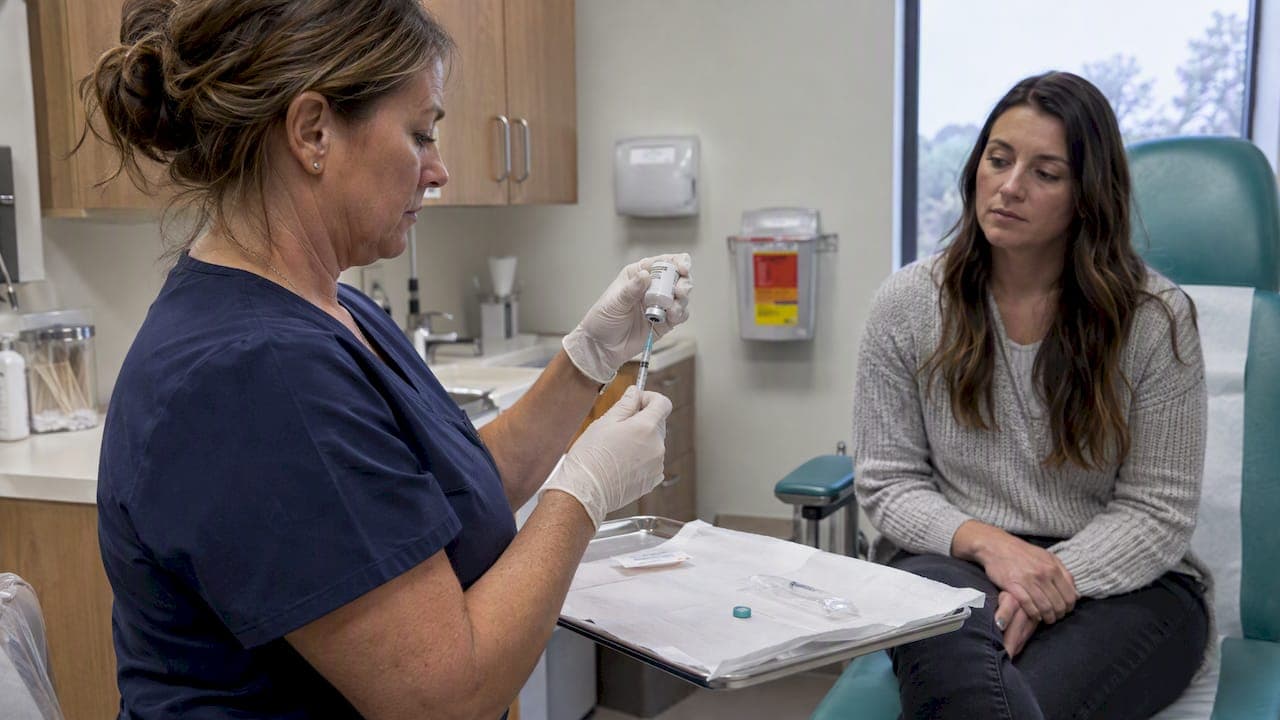
Yes. Vivitrol, the extended-release injectable form of naltrexone, can meaningfully reduce alcohol cravings for many people by dulling the rewarding effects of drinking. It works best when paired with counseling and started only after a person is opioid-free, since it carries real risks for anyone currently using opioids. The sections below cover timing, safety checks, and what to expect from treatment.
TL;DR:
- Vivitrol effectively dulls alcohol cravings by blocking reward receptors, especially when combined with counseling and after opioid abstinence.
- Its monthly injection improves adherence over daily oral naltrexone, with effects generally noticeable within two to four weeks.
- Safety concerns include the risk of overdose if opioids are used post-treatment, and contraindications include acute hepatitis or liver failure.
- Medication should be integrated into a comprehensive recovery plan with medical supervision, therapy, and relapse prevention support.
Table of Contents
- How Injectable Naltrexone Reduces Craving and Reward
- What the Clinical Evidence Shows About Cravings and Heavy Drinking
- Who Is a Good Candidate for Vivitrol
- What to Expect: Dosing, Timing, and Side Effects
- How Vivitrol Fits Into a Full Recovery Plan
- Safety Warnings Before and During Treatment
- A Clinician's View on When Vivitrol Makes Sense
- Starting Vivitrol Safely With Medically Supervised Care
- FAQ
- Sources
How Injectable Naltrexone Reduces Craving and Reward
Naltrexone is an opioid antagonist. It attaches to opioid receptors in the brain and blocks them, which interrupts the chain of events that makes alcohol feel rewarding. Alcohol triggers release of endorphins that activate these same receptors, and that activation is part of what makes drinking feel good and keeps people coming back for more. When the receptors are blocked, the brain's reward response to alcohol diminishes, which can weaken the pull of drinking cues over time, not just during active use.
A few distinctions matter here:
- Reward blunting, not willpower: the drug changes the brain's chemical response, so cravings often feel less urgent rather than requiring more self-control.
- Cue-driven urges soften: places, people, or situations that used to trigger strong urges to drink tend to lose some of their pull.
- Monthly versus daily dosing: Vivitrol is injected once every four weeks, while oral naltrexone requires a daily pill, so the injectable form removes the daily adherence challenge that causes many people to stop oral treatment early.
What the Clinical Evidence Shows About Cravings and Heavy Drinking
The pivotal trial of long-acting injectable naltrexone found that injections reduced heavy drinking days compared with placebo, with stronger effects among patients who had a period of abstinence before their first dose and some differences by sex in subgroup analysis. Those subgroup patterns matter for setting expectations, since not every patient profile responded identically.
A 2026 systematic review found naltrexone among the most consistently supported medications for reducing cue-induced alcohol craving across multiple randomized trials. That consistency across study designs is part of why naltrexone remains a first-line medication option for alcohol use disorder.
A few caveats temper the enthusiasm:
- Trials used varied outcome measures, so comparing exact numbers across studies is difficult.
- Subgroup samples (by sex, drinking severity, or abstinence status) were often small, limiting how precisely results generalize to any one person.
- Individual response varies, meaning some people notice a strong effect and others a modest one.
Who Is a Good Candidate for Vivitrol
Clinicians work through a specific checklist before prescribing Vivitrol, since the medication is not appropriate for everyone with alcohol dependence.
- Confirm motivation and diagnosis: the best candidates are adults with a diagnosed alcohol use disorder who want to cut down or stop drinking and can commit to brief abstinence before the first dose.
- Rule out opioid contraindications: anyone with recent opioid use, an opioid use disorder, or a positive opioid urine drug screen cannot safely start Vivitrol.
- Check for allergies: a known hypersensitivity to naltrexone or any component of the injectable suspension rules out the medication.
- Run baseline labs: liver function tests, a pregnancy screening for women of childbearing age, and a full medication review help the prescriber confirm the person is a safe fit.
The FDA prescribing information confirms Vivitrol is indicated for alcohol dependence in patients who can abstain from alcohol in an outpatient setting before starting treatment, with dosing combined with psychosocial support.
What to Expect: Dosing, Timing, and Side Effects
Vivitrol is given as a 380 mg intramuscular injection in the gluteal muscle every four weeks, alternating sides to reduce injection-site irritation. Many patients notice a reduction in craving within two to four weeks of the first dose, and that benefit tends to continue as long as injections continue on schedule.
- Common side effects include nausea, injection-site pain or swelling, headache, and fatigue, most of which ease after the first one or two doses.
- Liver enzymes are monitored periodically, since naltrexone carries a risk of liver irritation in some patients.
- Anyone on Vivitrol should carry documentation noting they cannot safely take standard doses of opioid pain medication in an emergency.
Pro Tip: Set a calendar reminder a few days before each injection is due, since a missed or delayed dose can let cravings and opioid tolerance shift in ways that are easier to manage with advance planning.
How Vivitrol Fits Into a Full Recovery Plan

Medication alone rarely produces the best outcomes. The NIAAA review of medication in recovery notes that pairing pharmacotherapy with counseling and psychosocial support consistently outperforms medication used in isolation.
A typical program built around Vivitrol includes:
- Medical management visits to track side effects, injection timing, and lab results.
- Cognitive behavioral therapy or similar structured counseling to address triggers and coping skills.
- Relapse-prevention planning and aftercare scheduling so support continues after the acute treatment phase.
At Connected Recovery, our 12-bed residential setting pairs 24/7 medical supervision with a medication-assisted treatment program, which gives people starting Vivitrol a monitored environment for screening, dosing, and the counseling that goes with it.
Safety Warnings Before and During Treatment
A few safety points are non-negotiable before starting Vivitrol.
- Patients need to be opioid-free for seven to ten days before the first injection, since starting naltrexone too soon can trigger precipitated withdrawal in anyone with opioids still in their system.
- Naltrexone lowers opioid tolerance, and the FDA label warns that using opioids after stopping naltrexone carries a heightened overdose risk since the body no longer tolerates doses it once handled safely.
- Vivitrol is contraindicated in acute hepatitis or liver failure, and baseline liver testing helps confirm it is safe to start.
- Anyone on Vivitrol should keep medical alert information on hand in case of an emergency requiring pain management.
A Clinician's View on When Vivitrol Makes Sense
Injectable naltrexone tends to shine for people who struggle with daily pill adherence or who want one monthly commitment instead of a daily reminder of their diagnosis. It also supports relapse prevention for people who have completed detox and want a pharmacological backstop while they rebuild routines.
Cost and insurance coverage vary, and some patients do better with oral naltrexone or acamprosate, particularly when access or monthly cost is a barrier. The right choice depends on liver health, opioid history, and personal preference, which is why individualized treatment planning matters more than defaulting to any single medication.
— Jim
Starting Vivitrol Safely With Medically Supervised Care
Starting a medication like Vivitrol safely means clearing opioids from your system, checking liver function, and having a plan for counseling alongside the injections. We built our programs around exactly that kind of oversight.
Our boutique, 12-bed facility in Van Nuys offers:
- Medical detox with opioid screening before any medication initiation.
- Medication-assisted treatment with lab monitoring and 24/7 medical supervision.
- Dual diagnosis care for anyone managing a co-occurring mental health condition alongside alcohol dependence.
- Integrated counseling and aftercare planning built around each person's medication and recovery goals.
If you are weighing Vivitrol as part of your recovery plan, reach out to our team to schedule an assessment and talk through whether medically supervised initiation fits your situation.
This article is general information, not a substitute for advice from a qualified doctor. Consult a qualified healthcare professional about your own circumstances before acting on anything here.
FAQ
Can Vivitrol be used for alcohol addiction?
Yes, Vivitrol is FDA-approved for alcohol dependence in patients who can abstain from alcohol before starting treatment in an outpatient setting. It is given as a monthly injection alongside counseling, according to the FDA prescribing information.
Does Vivitrol reduce cravings?
Yes, by blocking opioid receptors involved in alcohol's rewarding effects, Vivitrol can reduce the pull of cravings and drinking cues for many patients. A 2026 systematic review found naltrexone among the medications most consistently shown to reduce cue-induced craving in randomized trials.
What are common medications used for alcohol detox?
Alcohol detox itself typically relies on benzodiazepines to manage withdrawal safely, while longer-term craving management uses medications like naltrexone, acamprosate, or disulfiram. The NIAAA review outlines how these options differ in mechanism and in how they pair with counseling.
What supplements can help reduce alcohol cravings?
No supplement has the clinical trial support that naltrexone, acamprosate, or disulfiram have for reducing alcohol cravings. Anyone considering a supplement alongside medication should discuss it with a prescriber first, since interactions and liver effects vary by product.
Is Vivitrol available through Connected Recovery?
Our medication-assisted treatment program is set up to support medically supervised initiation of medications like Vivitrol, including opioid screening and lab monitoring. Pricing and availability are discussed directly with our team during an assessment.
Sources
- VIVITROL prescribing information — FDA label (highlights)
- Systematic review: pharmacological treatments for short-term alcohol cravings — PMC (2026)
- Alcohol use disorder: role of medication in recovery — NIAAA review