
An effective aftercare plan is a written, personalized roadmap that names your triggers, early warning signs, emergency contacts, coping moves, and scheduled follow-ups. It is not a pamphlet you get at discharge and forget. The single next action is simple: sit down within your first week out and write your own plan, on paper, before you need it. That document is what stands between a high-risk moment and a full relapse.
TL;DR:
- An effective aftercare plan should include specific appointment details, a daily routine, a support network, medication management, and contingency plans for housing and transportation.
- Writing and printing a detailed relapse prevention plan with clear triggers, warning signs, and coping strategies significantly reduces the risk of full relapse.
- Follow-up appointments should be scheduled within the first week and every 30 to 90 days afterward, with telehealth options accepted if in-person visits are difficult.
- Verifying the credentials and availability of peer groups, recovery coaches, and sober housing ensures the support resources are reliable and suitable.
- Strong clinical coordination requires clear record transfers and case manager assignment before discharge, preventing delays or gaps in medication and therapy follow-up.
Table of Contents
- What Is a Rehab Aftercare Plan and What Types of Support Fit Into It?
- The Core Elements Every Aftercare Plan Should Contain
- How Do You Write a Relapse Prevention Plan?
- When Should You Schedule Follow-Up Appointments?
- Finding Support Resources That Actually Hold Up
- Getting Clinical Coordination Right During Handoff
- Preparing Your Home and Family for Recovery
- What I've Learned Watching Aftercare Plans Succeed or Fail
- How Connected Recovery Builds Your Aftercare Plan With You
- Sources
What Is a Rehab Aftercare Plan and What Types of Support Fit Into It?
A rehab aftercare plan is the structured, personalized follow-up system that keeps you connected to treatment after residential or detox care ends. It answers a practical question: what happens Monday morning when the structure of a program disappears? The plan is only as strong as the mix of supports built into it, and different pieces fit different needs.
- Outpatient therapy works for people with stable housing and a manageable daily schedule who need ongoing one-on-one clinical work.
- Intensive outpatient programs (IOP) suit those stepping down from residential care who still need several structured hours a week.
- Alumni programs give a built-in community tied to the treatment center you already trust.
- Peer support groups (12-step, SMART Recovery, or similar) offer frequent, low-cost accountability.
- Sober living homes matter most for anyone returning to an unstable or substance-exposed household.
- Recovery coaching helps with day-to-day accountability, especially for people juggling work or school reentry.
Someone with a co-occurring anxiety disorder usually needs outpatient therapy paired with psychiatric follow-up, not just a support group. Someone facing housing instability needs sober living secured before discharge, not after.
The Core Elements Every Aftercare Plan Should Contain
A usable aftercare plan is a document, not a conversation you vaguely remember having with a discharge nurse. Build it around five sections, in this order:
- Follow-up appointments and a named care coordinator. List the date, provider, and phone number for your first outpatient or therapy visit, plus who to call if something falls through.
- Daily structure. Write out sleep targets, meal times, movement or exercise, and boundaries around work or school so early recovery has a shape instead of empty hours.
- Support network. Name actual people: your sponsor, your recovery coach, two friends or family members, and when you plan to see or call them.
- Medication management. Record every prescription, dosage, prescriber name and number, and your refill plan.
- Housing and transportation contingencies. Note a backup plan if your living situation changes and how you will get to appointments without a car if needed.
Pro Tip: Print your plan and keep a photo of it on your phone. The moment you're most likely to need it is the moment you're least likely to want to dig through a folder.
This is the same structure behind the Aftercare Planning Checklist that treatment programs commonly hand out, and it works because it turns vague intentions into a checklist you can actually follow at 2 a.m.
How Do You Write a Relapse Prevention Plan?
Relapse rarely happens in a single moment. Researcher Alan Marlatt's relapse prevention model frames it as a process with identifiable stages, not a sudden moral collapse. The pattern typically starts emotionally, through stress, isolation, or poor self-care, moves into mental bargaining and ambivalence, and only later becomes physical use. Catching it at the emotional stage is far easier than catching it after the first drink or dose.
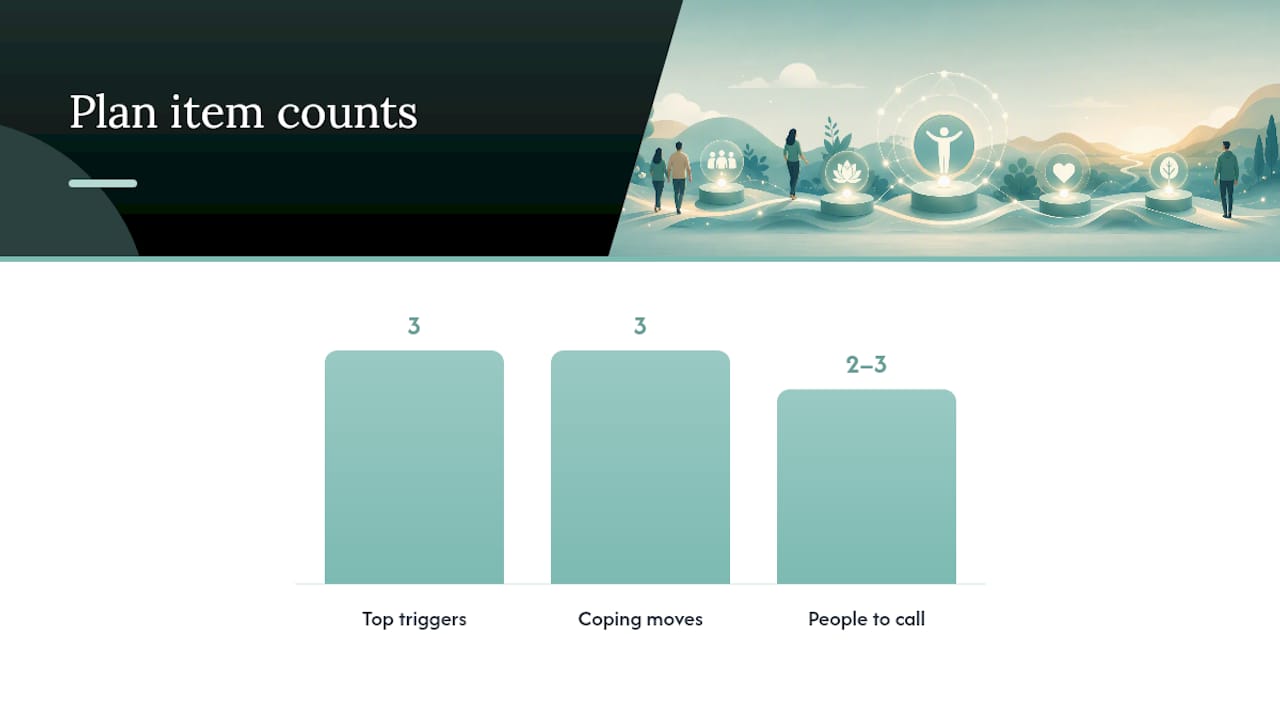
Start your relapse prevention plan by listing your top personal triggers and the early warning signs specific to you: sleep changes, skipped meetings, rising irritability, isolating from people who usually check on you. Then choose three coping moves you can execute under stress, not moves that sound good on paper. Leaving a risky situation, calling a specific support contact, and a grounding exercise you've actually practiced beforehand tend to hold up better than moves you've never rehearsed.
- Name your top three triggers and write them down.
- List early warning signs in your own words, not generic ones.
- Pick and rehearse three coping moves until they're automatic.
- Write a slip plan: who you call first, what you say, and your next concrete step.
Psychosocial approaches including cognitive-behavioral relapse prevention are considered core strategies for reducing both the likelihood and severity of relapse, largely because rehearsed responses outperform improvised ones. A written slip plan matters for another reason: it counters the shame spiral that turns one slip into a full relapse. Identify two to three people you can call the same day cravings spike, and write their names into the plan now, not later.
When Should You Schedule Follow-Up Appointments?
Book your follow-up appointment soon after discharge, and telehealth counts if in-person isn't realistic that week. Waiting longer gives early warning signs room to escalate unnoticed.
- Within 7 days: confirm your first outpatient, therapy, or medical check-in.
- First 30 days: block recurring therapy sessions, peer group meetings, and any medication checks on your calendar now, not week by week.
- 90-day review: set a checkpoint with your provider, case manager, and one support person to reassess what's working and what needs to change.
Finding Support Resources That Actually Hold Up
Peer groups, recovery coaching, and sober housing only help if they're real and reliable, not just a name on a discharge sheet. Before you write a resource into your plan, verify it.
- Check meeting frequency and whether options exist both online and in person, since availability shifts month to month.
- Ask a recovery coach or case manager directly what they handle: appointment coordination, accountability calls, or connecting you to housing and employment resources.
- Request documentation or accreditation information from any sober living home before moving in, and ask about house rules and staff presence.
Recovery support services including care coordination, coaching, and transportation are frequently offered through state and community recovery networks, though availability and certification standards vary by state, so confirming credentials before committing is worth the extra phone call. Our own guide on recovery support resources walks through what to look for in more detail.
Getting Clinical Coordination Right During Handoff
The single most common gap in aftercare isn't motivation, it's paperwork. A missing records transfer is a frequent cause of delayed medication refills or a slow start to outpatient therapy, so nail this down before you leave a facility.
- Write down every prescriber's name, medication, dosage, and refill process.
- Confirm in writing who is transferring your clinical records and to whom.
- Identify a named case manager responsible for your handoff, not a general office line.
- If you're on medication-assisted treatment, prioritize your first psychiatry or MAT follow-up above other appointments.
Pro Tip: Ask your discharge team, in person, "Who is my case manager and what's their direct number?" A vague answer here is a warning sign the handoff isn't finished. A case management contact who owns this handoff prevents most of the gaps that derail early recovery.
Preparing Your Home and Family for Recovery
Your environment either supports your plan or undermines it daily. Before you return home, remove substance cues and secure any remaining medications in the house.
- Have a short, specific conversation with family: what you need from them, and one clear boundary (like not keeping alcohol visible).
- Ask family to attend at least one session with you if conflict or codependency has been a pattern.
- Bring in structured family therapy when home tension is a known trigger, not an afterthought.
What I've Learned Watching Aftercare Plans Succeed or Fail
The plans that hold up aren't the detailed ones. They're the specific ones. A plan that says "attend support groups" fails. A plan that says "Tuesday 7pm SMART Recovery at the community center, call Marcus if I can't make it" survives a bad week. At treatment centers like this, the aftercare planning process treats the handoff as clinical work, not paperwork: matching each client's discharge plan to real prescriber contacts, a named case manager, and a relapse prevention script before anyone walks out the door.
The gap between a good aftercare plan and a forgotten one usually comes down to specificity, not effort. Before you leave any treatment setting, ask your team directly: who is my point of contact in week one, what happens if I miss an appointment, and who transfers my records? If they can't answer clearly, that's information worth acting on before discharge, not after.
— Jim
How Connected Recovery Builds Your Aftercare Plan With You
Some facilities offer a 12-bed setting where your aftercare plan gets built alongside your clinical team, not handed to you as a printout on your way out. An approach covering medical detox, residential treatment, and integrated care for co-occurring mental health disorders treats aftercare planning as part of treatment from day one rather than an afterthought at discharge.

When you reach out, a clinician walks through an assessment, builds a plan tailored to your specific triggers and support needs, and schedules your first follow-up before you leave, with a case manager assigned to your handoff. If relapse prevention is your main concern, our relapse prevention program folds directly into that planning process. The next step is straightforward: visit our aftercare planning program page and schedule an assessment before you need one.
Sources
For the research behind the relapse process, read the relapse prevention model on PMC. For a document to fill in today, download the aftercare planning checklist and print it before your next appointment.
This article is general information, not a substitute for advice from a qualified doctor. Consult a qualified healthcare professional about your own circumstances before acting on anything here.