
Recovery best practices for mental wellness are evidence-based daily routines that support lasting emotional and psychological health during addiction or mental health recovery. Clinicians often call this framework "recovery-oriented care," a model that treats the whole person rather than just symptoms. The core pillars are sleep, physical activity, nutrition, mindfulness, and social connection. Each one reinforces the others, and together they build the kind of resilience that makes recovery sustainable. This article breaks down each pillar with specific, research-backed strategies you can start using today.
1. recovery best practices for mental wellness start with sleep
Sleep is the single most underrated tool in mental health recovery. Quality sleep of 7–9 hours per night with a consistent schedule directly improves emotional regulation and cognitive function. That matters because poor emotional regulation is one of the most common triggers for relapse.

Your brain consolidates memories and processes emotional experiences during deep sleep cycles. Cutting that short even by 90 minutes measurably increases anxiety and irritability the next day. For people in recovery, that emotional volatility is not just uncomfortable. It is a genuine risk.
Build a wind-down routine that starts one hour before bed:
- Dim overhead lights and switch to lamps or warm-toned bulbs
- Put your phone face-down or in another room
- Avoid caffeine after 2 p.m.
- Keep your bedroom cool, ideally between 65–68°F
Pro Tip: Write three sentences in a journal before bed. Describe what went well that day. This simple habit reduces racing thoughts and primes your brain for restorative sleep.
For adults in midlife, restorative sleep becomes even more critical as hormonal shifts affect sleep architecture. Prioritizing it is not optional. It is foundational.
2. why physical activity is non-negotiable in recovery
Regular exercise is one of the most clinically supported mental health recovery tips available. CDC guidelines recommend 150 minutes of moderate physical activity per week, which breaks down to roughly 20–30 minutes per day. That is a manageable target even for someone early in recovery.
Exercise increases serotonin and dopamine, the same neurotransmitters that substance use artificially spikes. Rebuilding those pathways naturally through movement is one of the most effective ways to reduce cravings and stabilize mood. Studies also show that regular activity reduces cortisol, the body's primary stress hormone.
You do not need a gym membership to get started. Effective options include:
- Walking: 20 minutes outdoors combines movement with sunlight exposure
- Yoga: Builds body awareness and reduces anxiety simultaneously
- Stretching routines: Low barrier to entry, especially useful on low-energy days
- Swimming or cycling: Excellent for those with joint concerns
Pro Tip: Start with two sessions per week and add one more every two weeks. Gradual progression prevents burnout and builds a habit that actually sticks.
The goal is consistency over intensity. A 20-minute walk every day beats a two-hour gym session once a week for mental wellness outcomes.
3. how nutrition and alcohol moderation affect your recovery
What you eat directly affects how your brain functions and how stable your mood stays. The gut-brain axis, the communication network between your digestive system and your central nervous system, is a crucial ally in protecting mental health and should be integrated into any recovery wellness plan. Feeding it well means eating balanced meals with protein, complex carbohydrates, healthy fats, and plenty of water.
Alcohol moderation is equally critical. The CDC defines moderate drinking as up to 2 drinks per day for men and 1 drink per day for women. Exceeding those limits disrupts sleep, destabilizes mood, and directly undermines recovery progress. For those in alcohol addiction recovery, even moderate consumption may not be appropriate. That is a conversation to have with your treatment team.
| Pattern | Healthy Choice | Harmful Pattern |
|---|---|---|
| Meals | Balanced protein, carbs, and fats | Skipping meals or relying on processed food |
| Hydration | 8+ glasses of water daily | Replacing water with caffeine or sugary drinks |
| Alcohol | Within CDC guidelines or abstinent | Daily drinking above recommended limits |
| Snacking | Nuts, fruit, or yogurt | High-sugar snacks that spike and crash blood sugar |
Blood sugar crashes trigger irritability and anxiety. Eating regular, balanced meals keeps your mood stable throughout the day.
4. mindfulness and behavioral strategies that build resilience
Mindfulness-based therapies and cognitive behavioral strategies are clinically proven to improve emotion regulation, reduce anxiety, and ease depression symptoms during recovery. These are not abstract concepts. They are practical skills you can use in real time.
Mindfulness means paying attention to the present moment without judgment. Deep breathing exercises, body scans, and short meditation sessions using apps like Headspace or Calm are accessible entry points. Even five minutes of focused breathing lowers your heart rate and interrupts the stress response.
"Savoring positive experiences, focusing on good memories and moments, is one of the most effective ways to increase life satisfaction during recovery." — Harvard Human Flourishing Program
Savoring is a specific behavioral skill. After something good happens, pause and consciously hold the feeling for 20–30 seconds. This trains your brain to register positive experiences more deeply, counteracting the negativity bias that often intensifies during recovery.
Crisis toolkits are another underused strategy. A pre-planned crisis toolkit with specific physical actions interrupts panic and prevents the neurological feedback loops that worsen acute distress. Build yours before you need it:
- Step outside and focus on five things you can see
- Splash cold water on your face to activate the dive reflex and slow your heart rate
- Send a short text to a support person: "Having a hard moment, can you check in?"
- Hold an ice cube to redirect physical sensation
Pro Tip: Write your crisis toolkit on a notecard and keep it in your wallet. When panic hits, your prefrontal cortex goes offline. A physical card removes the need to remember anything.
Relapse prevention planning works on the same principle. Rehearsed responses outperform improvised ones every time.
5. gratitude and healthy boundaries as daily mental wellness habits
Practicing gratitude and establishing healthy boundaries reduce stress and increase emotional resilience during recovery. These are not soft suggestions. They are behavioral practices with measurable outcomes.
A daily gratitude practice takes three minutes. Write down two or three specific things you are grateful for each morning. Specificity matters more than volume. "I am grateful for the quiet hour I had this morning" works better than "I am grateful for my life." The brain responds to concrete detail.
Healthy boundaries protect your energy and reduce exposure to triggers. That might mean limiting contact with people who use substances, saying no to obligations that overwhelm you, or scheduling recovery-related activities before social commitments. Boundaries are not walls. They are decisions about how you spend your limited daily capacity.
6. how social support sustains long-term mental wellness
Social connection is not a bonus feature in recovery. It is a core requirement. Emotional support from family, friends, and peers reduces stress hormones and creates a felt sense of safety that makes behavioral change possible.
Recovery-oriented services that include peer support and shared decision-making improve hope, empowerment, and the long-term sustainability of recovery. That finding matters because it shifts the model away from "fix the patient" toward "build the person up with others." Peer support groups like SMART Recovery or 12-step programs provide community, accountability, and lived experience that no clinical setting can fully replicate.
Meaningful connection does not require grand gestures. Practical ways to build your support network include:
- Weekly check-ins: Schedule a standing call or coffee with someone you trust
- Therapy: Individual or group therapy provides structured support and skill-building
- Support groups: Peer-led groups offer shared experience and reduce isolation
- Volunteer work: Helping others activates the same reward pathways as receiving support
- Case management services: Coordinated clinical support connects you to the right resources at the right time
Sustainable recovery relies on ecological support systems including family, community, and clinical care. Placing the entire burden on individual willpower is a setup for exhaustion. You are not supposed to do this alone.
7. strengths-based recovery: shifting from deficits to capacity
Effective recovery models prioritize empowering individuals through shared decision-making rather than relying solely on medication or clinical authority. This approach, called strengths-based recovery, asks what you are capable of rather than cataloging what is wrong with you.
In practice, this means identifying your existing skills, values, and support resources and building your recovery plan around them. Someone who is naturally disciplined might anchor their recovery in a structured daily schedule. Someone who is socially motivated might prioritize group therapy and peer connection above solo practices.
Home-based recovery solutions that fit your actual lifestyle are more sustainable than perfect plans you abandon after two weeks. The best strategy for mental wellness is the one you will actually do consistently.
Key takeaways
The most effective recovery practices for mental wellness combine consistent daily habits with social support and professional guidance rather than relying on willpower alone.
| Point | Details |
|---|---|
| Sleep is foundational | Aim for 7–9 hours nightly with a consistent wind-down routine to stabilize mood and reduce relapse risk. |
| Exercise rebuilds brain chemistry | 150 minutes of moderate activity per week naturally restores serotonin and dopamine pathways. |
| Nutrition and alcohol matter | Balanced meals and staying within CDC alcohol guidelines directly protect emotional stability. |
| Mindfulness and crisis toolkits work | Pre-planned behavioral responses interrupt panic and build measurable emotional resilience. |
| Social support is non-negotiable | Peer support, therapy, and community connection sustain recovery in ways individual effort cannot. |
What i've learned after years of watching recovery work and fail
The people I have seen sustain recovery long-term share one trait. They stopped waiting to feel motivated and started building structure instead. Motivation follows action. It almost never precedes it.
The biggest mistake I see is treating recovery as a willpower contest. Willpower is a finite resource. It depletes by afternoon. The people who thrive are the ones who set up their environment so the right choice is also the easy choice. That means a consistent bedtime, a walking route they actually enjoy, and a support person they can text without explanation.
I also want to say this plainly: one or two practices done consistently beat ten practices done sporadically. Pick sleep and one form of daily movement. Do those two things for 30 days before adding anything else. The compounding effect is real, and it is more powerful than any single intervention.
Professional support is not a sign of weakness. It is a sign that you understand the actual complexity of what you are dealing with. Dual diagnosis treatment, medication-assisted care, and structured aftercare planning exist because recovery is genuinely hard. Use the tools available to you.
— Jim
How connected recovery supports your mental wellness journey
Connected Recovery is a boutique 12-bed facility in Van Nuys, CA, built specifically for people who need more than a generic program. Every client receives a tailored treatment plan that integrates the evidence-based practices covered in this article, from structured daily routines to professional mental health support.
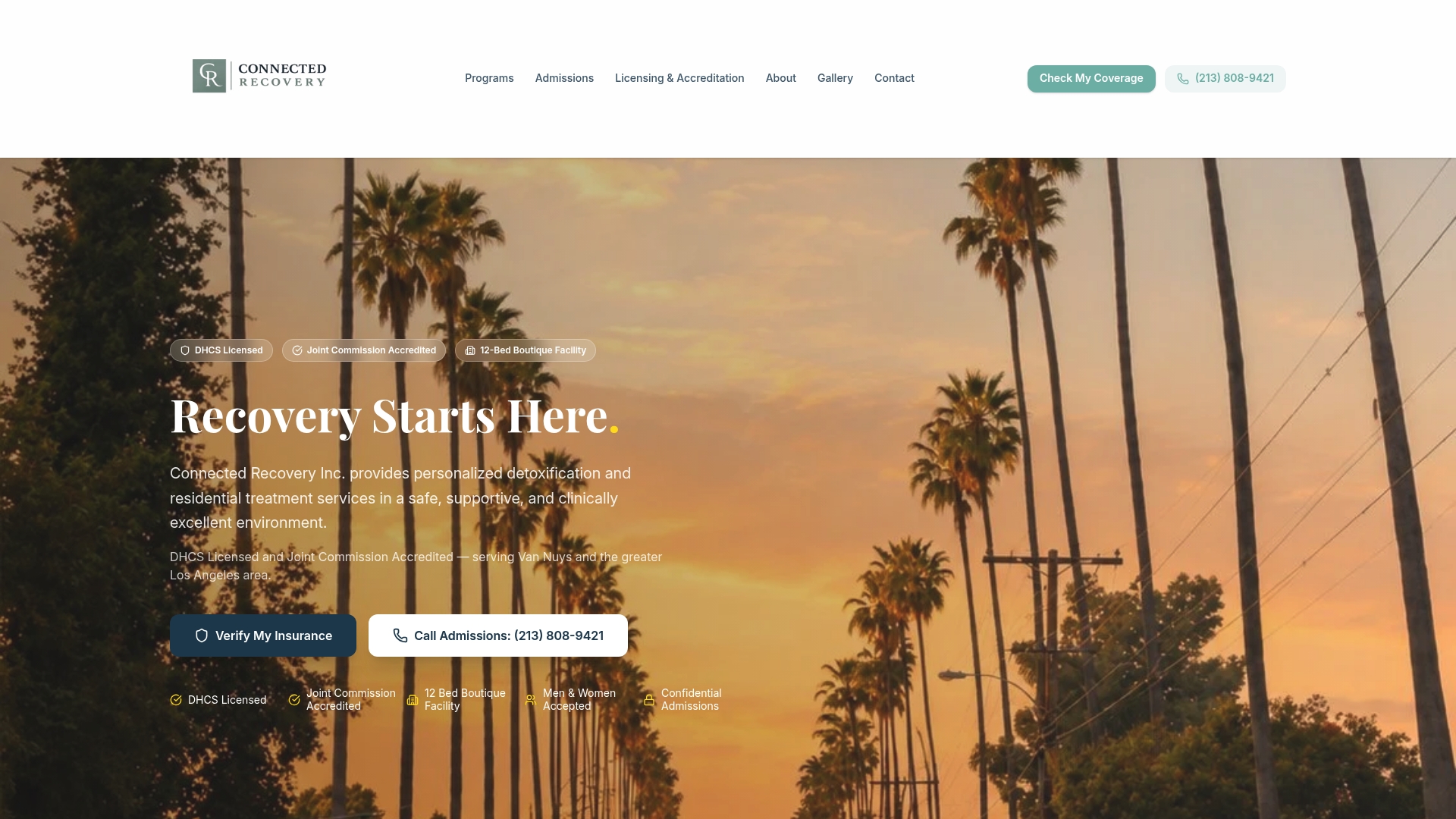
Connected Recovery offers medical detox with 24/7 supervision, dual diagnosis treatment for co-occurring mental health and addiction disorders, and structured aftercare planning to protect your progress after residential treatment. The small capacity means you are never a number. If you are ready to take the next step, explore the full range of treatment programs at Connected Recovery and find the right fit for where you are right now.
FAQ
What are recovery best practices for mental wellness?
Recovery best practices for mental wellness are evidence-based daily habits including quality sleep, regular exercise, balanced nutrition, mindfulness, and social connection that support emotional stability and long-term recovery from addiction or mental health challenges.
How much sleep do you need during mental health recovery?
Experts recommend 7–9 hours of sleep per night with a consistent schedule. Quality sleep improves emotional regulation and reduces the risk of relapse by stabilizing mood and cognitive function.
Can exercise really improve mental health in recovery?
Yes. The CDC recommends 150 minutes of moderate activity per week, which rebuilds serotonin and dopamine pathways naturally. Even 20-minute daily walks reduce cortisol and measurably improve mood.
What is a crisis toolkit and how does it help?
A crisis toolkit is a pre-written list of physical actions you take during acute distress, such as cold water on your face or stepping outside. Pre-planning these responses prevents the neurological feedback loops that worsen panic episodes.
Why is social support so important in recovery?
Peer support and shared decision-making improve hope, empowerment, and the sustainability of recovery. Sustainable recovery depends on ecological support systems including family, community, and clinical care, not individual willpower alone.