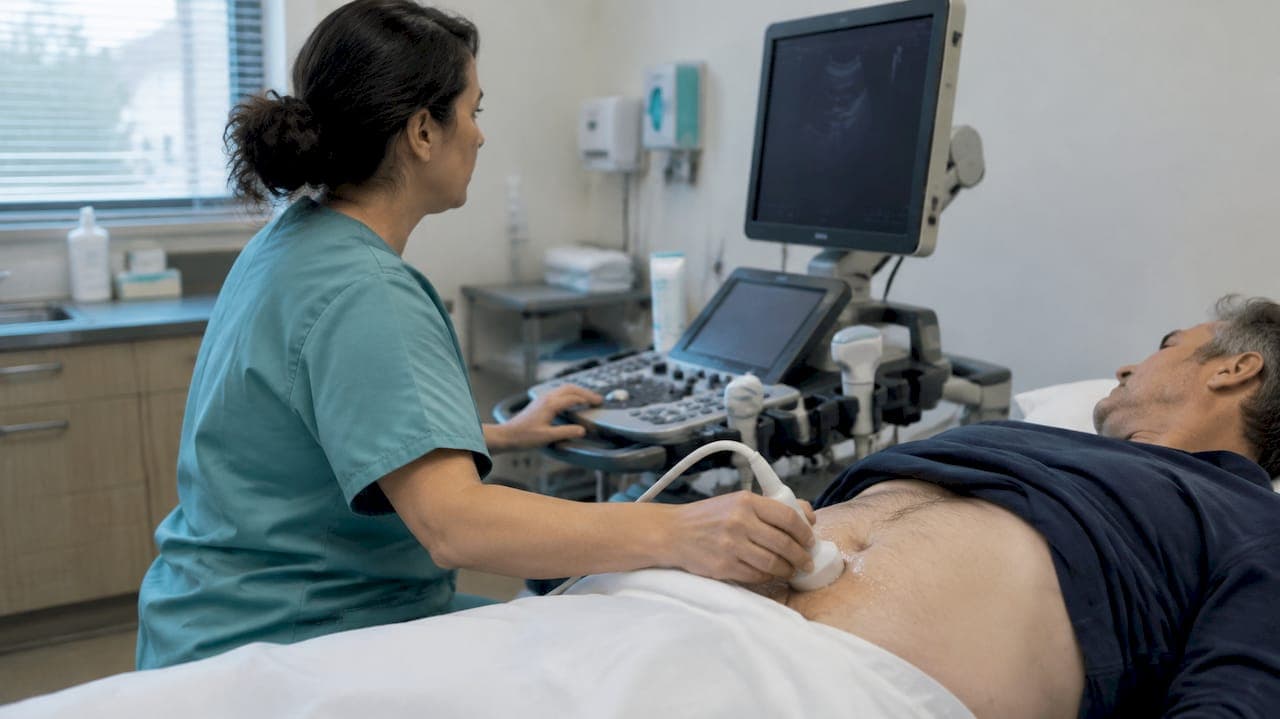
The liver recovers best when three things happen: the alcohol or drug use stops, withdrawal is managed safely by clinicians who know the liver is involved, and the body is fed properly. Juice cleanses, herbal "liver detox" products and teas are not part of that list. This guide explains what happens to the liver during medical detox and what supports it. It also covers which popular advice to skip.
TL;DR
- Stopping alcohol is the single most important step for liver healing. Fatty liver, the earliest stage of alcohol-related damage, is fully reversible with abstinence.
- Withdrawal in someone with liver disease needs 24/7 medical supervision, because the liver changes how the body handles the medications used to keep detox safe.
- Nutrition matters more than "cleansing." People with liver disease often need more protein and calories, not fewer, and juice-only plans can backfire.
- Liver cleanse supplements are largely unregulated, and some can harm the liver they claim to help.
- Detox is the entry point, not the finish line. Lasting liver health depends on treatment that continues after withdrawal ends.
Table of Contents
- What "liver detox" actually means in a clinical setting
- How alcohol damages the liver, and what can be reversed
- Why withdrawal is different when the liver is involved
- Nutrition: the overlooked part of liver recovery
- Juice cleanses and liver detox supplements: what to skip
- Signs your liver is recovering, and signs to call a doctor
- Our perspective: why a small, supervised setting suits liver-related detox
- How Connected Recovery supports you through detox and beyond
- FAQ
- Sources
What "liver detox" actually means in a clinical setting
Search for this topic and you will find two very different conversations. One is about wellness products: beetroot juice, cleanses, teas. The other is about medical detoxification, the supervised management of withdrawal from alcohol or drugs. They share a word and almost nothing else.
Your liver already detoxifies. It metabolizes the vast majority of the alcohol you drink: about 90% of absorbed alcohol is processed in the liver, which is why this organ takes so much of the damage from heavy drinking. It does not need a product to do its job. What it needs is relief from the toxin, which means no more alcohol, plus good medical care and good nutrition while it recovers.
So in a treatment setting, "liver health in detox" means three practical questions:
- Is withdrawal being managed in a way that is safe for a liver that may already be damaged?
- Is the person's nutrition being rebuilt, not just their hydration?
- Is there a plan so the liver is not exposed to alcohol again a few weeks later?
How alcohol damages the liver, and what can be reversed
Alcohol-related liver injury is dose-dependent and develops in stages. Current guidance describes significant risk as drinking more than 350 grams of alcohol per week for women and 420 grams per week for men, with lower thresholds of 140 and 210 grams when metabolic problems such as diabetes or obesity are present. For reference, a US standard drink contains about 14 grams of alcohol, so those thresholds are lower than many people assume.
The stages look like this:
| Stage | What it is | Reversible with abstinence? |
|---|---|---|
| Steatosis (fatty liver) | Fat builds up in liver cells. Often no symptoms. Seen in nearly all heavy drinkers. | Yes, fully |
| Steatohepatitis / alcohol-associated hepatitis | Inflammation and cell injury. Can be mild or life-threatening. | Often improves, depending on severity |
| Cirrhosis | Scarring that permanently changes liver structure. | Scarring is generally not undone, but stopping alcohol improves outlook |
Per the NIAAA resource, steatosis is present in roughly 95 to 100% of heavy drinkers and resolves with abstinence, while 10 to 35% of those people go on to inflammation and potentially cirrhosis if drinking continues. That is the encouraging part and the warning in one number: the early stage is forgiving, and the window to use it is real.
No one can tell which stage they are in from how they feel. Fatigue, nausea, yellowing of the skin or eyes, and abdominal swelling can all signal trouble, but fatty liver often produces nothing at all. That is one reason a medical assessment at admission matters.

Why withdrawal is different when the liver is involved
Alcohol withdrawal is a medical event. ASAM's 2025 guideline on alcohol withdrawal management is clear that managing withdrawal is not the same as treating alcohol use disorder, and that the risks, including seizures and delirium, can be life-threatening. If you want the timeline in detail, our guides to the alcohol withdrawal timeline and why detoxing alone at home is risky walk through the first 72 hours.
Liver disease adds a layer. The liver breaks down many medications, and a damaged liver does it differently. According to the ASAM guideline:
- Benzodiazepines, used in symptom-triggered fashion, are the standard of care for withdrawal.
- In patients with significant liver disease, clinicians are advised to choose benzodiazepines that depend less on liver metabolism, such as lorazepam or oxazepam.
- Valproic acid should not be used for withdrawal in people with liver disease.
These are decisions for a physician, not something to improvise with leftover prescriptions or advice from a forum. A drug that is fine for one person can accumulate or add liver stress in another. This is the practical reason medical supervision is more than comfort: the people monitoring you can adjust medication to what your liver can handle, and they can respond quickly if your condition changes.
If you have known liver disease, or suspect it (a past diagnosis of hepatitis or cirrhosis, jaundice, swelling in the belly or legs, or abnormal liver tests), do not stop heavy drinking on your own. Call a physician or a medical detox program first, and go to an emergency room if you have seizures, confusion, vomiting blood, or black stools. Our piece on preparing for withdrawal covers what to ask before you stop.
Nutrition: the overlooked part of liver recovery
Most online advice about liver detox focuses on what to remove from your diet. Clinical guidance leans the other way: what a depleted body needs is more, and it needs it in the right form.
Heavy drinking commonly leaves people short on key nutrients. Reviews of alcohol-related liver disease note frequent deficiencies in zinc, thiamine (B1), folate, niacin, vitamin B6, magnesium and vitamins A, E, D and K. AASLD educators also stress that nutritional rehabilitation is a pivotal part of caring for alcohol-associated liver disease, not a side note.
Protein and calories
An older belief held that people with liver disease should eat low-protein diets to avoid confusion caused by hepatic encephalopathy. That has changed. Current guidance, as summarized by AASLD, says protein restriction is not recommended because it worsens muscle loss. The 2021 practice guidance for cirrhosis, summarized by the VA, suggests 1.0 to 1.5 grams of protein per kilogram of body weight and 35 to 40 calories per kilogram daily to prevent muscle wasting. Those are figures for clinicians to individualize, particularly in advanced disease, so treat them as an illustration of direction rather than a personal prescription.
Two practical points follow from the same guidance:
- Eat often. Frequent small meals, including a protein-containing bedtime snack, help avoid the muscle breakdown that comes with long fasts such as overnight.
- Restrict only what is needed. Sodium is limited to 2,000 mg a day when there is fluid retention (ascites). Blanket restrictive diets tend to worsen malnutrition.
This is hard to do while withdrawing. Nausea, poor appetite and feeling full quickly are common, even though the body's energy needs may be elevated. In a supervised setting, meals, fluids and supplements can be planned around those symptoms and adjusted daily. Hydration is part of it too, and we cover that in our hydration guide.
Vitamins
Thiamine deserves special mention. Hospital protocols for alcohol withdrawal, such as the one published by UTHealth Houston's surgery department, flag thiamine because deficiency carries a risk of Wernicke's encephalopathy, a brain condition that can mimic withdrawal. Whether, how much and by what route you should take any vitamin is a question for the treating physician, especially with liver disease, since the right dose depends on your labs and condition.
Juice cleanses and liver detox supplements: what to skip
The top results for this keyword are full of juices and "natural cleansing" tips. Here is the honest summary.
Juice cleanses. There is little evidence that detox teas, juices or supplements help the liver. Worse, a juice-only plan can displace the protein and micronutrients a recovering liver needs, and high-sugar juices add fructose that may aggravate fatty liver. Fruits and vegetables are good food. A fast built on juice during withdrawal is not a treatment.
Supplements. Herbal "cleanse" products are not held to the standards of approved drugs. The FDA has issued warning letters over supplement products sold with drug-like claims, describing them as unapproved new drugs. Separately, the FDA warns that CBD can cause liver injury and can change how other drugs you take work. Tell your care team about every supplement you use, including the ones that feel harmless.
What does help, in plain terms:
- Stopping alcohol, with medical support if you have been drinking heavily.
- Eating regular, protein-adequate meals.
- Treating metabolic factors such as diabetes and weight with your doctor.
- Staying in care after detox so the liver is not re-exposed.
Signs your liver is recovering, and signs to call a doctor
People often ask how to tell whether the liver is "working again." Energy and sleep tend to improve in the weeks after withdrawal, and appetite usually returns. But feeling better is not proof, particularly with silent conditions like fatty liver. Blood tests, imaging and a physician's follow-up are how recovery is actually measured.
Contact a doctor promptly for yellowing of the skin or eyes, dark urine, pale stools, a swollen abdomen, easy bruising or bleeding, or new confusion or extreme drowsiness. Those can indicate serious liver complications and should not wait for a scheduled appointment. In an emergency, call 911.
Our perspective: why a small, supervised setting suits liver-related detox
We run a 12-bed facility in Van Nuys, and the size is deliberate. When someone arrives with alcohol-related liver concerns, the questions that matter are very individual: how long and how heavily they have been drinking, what medications they take, what they are eating, what their mood is like once the alcohol is gone. In a small program the same clinicians see the same people every day, and small changes get noticed.
We also see detox as a doorway, in line with ASAM's view that withdrawal management is only the entry point to long-term recovery. A liver that heals during a week of detox and is exposed to alcohol again a month later has gained little. That is why we pair 24/7 medical supervision with therapy, treatment for co-occurring mental health conditions, and aftercare planning. Anxiety and depression are common drivers of drinking, and ignoring them is one of the surest routes back to the bottle. Our articles on anxiety and alcohol and whole-person treatment explain how we think about that connection.
If you or someone you love is worried about the liver, our advice is simple: get assessed before you stop, do not buy a cleanse, and plan for what comes after detox from day one.
— Jim
How Connected Recovery supports you through detox and beyond
Our medical detox program provides round-the-clock medical supervision in a private, boutique setting. From there, many people continue into residential treatment, and those with anxiety, depression or other conditions alongside substance use can receive dual diagnosis care. We also offer medication-assisted treatment where appropriate, along with aftercare and discharge planning. To talk about admission, start at connectedrecoverycenter.com. Pricing is not published on our site, so contact us about costs and insurance.
FAQ
Can the liver heal after alcohol detox?
Often, yes, especially in the early stage. Fatty liver is fully reversible with abstinence. Inflammation may improve, while established scarring generally does not disappear, although stopping alcohol improves the outlook. A doctor can tell you which stage applies to you.
Is juicing good for fatty liver?
Not as a treatment. Juice-only plans can crowd out protein and micronutrients, and sugary juices add fructose that may worsen fatty liver. Whole fruits and vegetables as part of balanced meals are a better approach, and a physician or dietitian can tailor it to your condition.
Should I take a liver cleanse supplement during detox?
We would advise against it. Evidence for these products is thin, and the FDA has taken action against supplement makers for unapproved drug claims. Ask your care team before taking any supplement, since some can burden the liver.
Why does liver disease change how detox is done?
The liver metabolizes many of the medications used in withdrawal. ASAM's guideline advises choosing benzodiazepines with less liver metabolism, such as lorazepam or oxazepam, in significant liver disease and avoiding valproic acid. That is a decision for clinicians who can monitor you continuously.
Is it safe to detox from alcohol at home if I think my liver is damaged?
We do not recommend it. Withdrawal can cause seizures and delirium, and liver problems complicate medication choices. Speak with a physician or a medical detox program before stopping, and seek emergency care for seizures, confusion or vomiting blood.
Sources
- NIAAA: Medical Complications, Common Alcohol-Related Concerns
- ASAM: Alcohol Withdrawal Management Guideline
- ASAM: Clinical Practice Guideline on Alcohol (PDF)
- VA Viral Hepatitis and Liver Disease: Nutrition and Cirrhosis
- AASLD: Why Is Nutrition So Important in Alcohol-Associated Liver Disease?
- AASLD: Steroids, Maddrey's Discriminant Function and the Lille Score in Alcohol-Associated Hepatitis
- FDA: Warning letter, C & A Naturistics (March 4, 2025)
- FDA: What You Need to Know About Products Containing Cannabis or CBD
- UTHealth Houston: Alcohol Withdrawal Prevention and Treatment
- Healthgrades: 5 Myths and Facts About Detoxifying the Liver