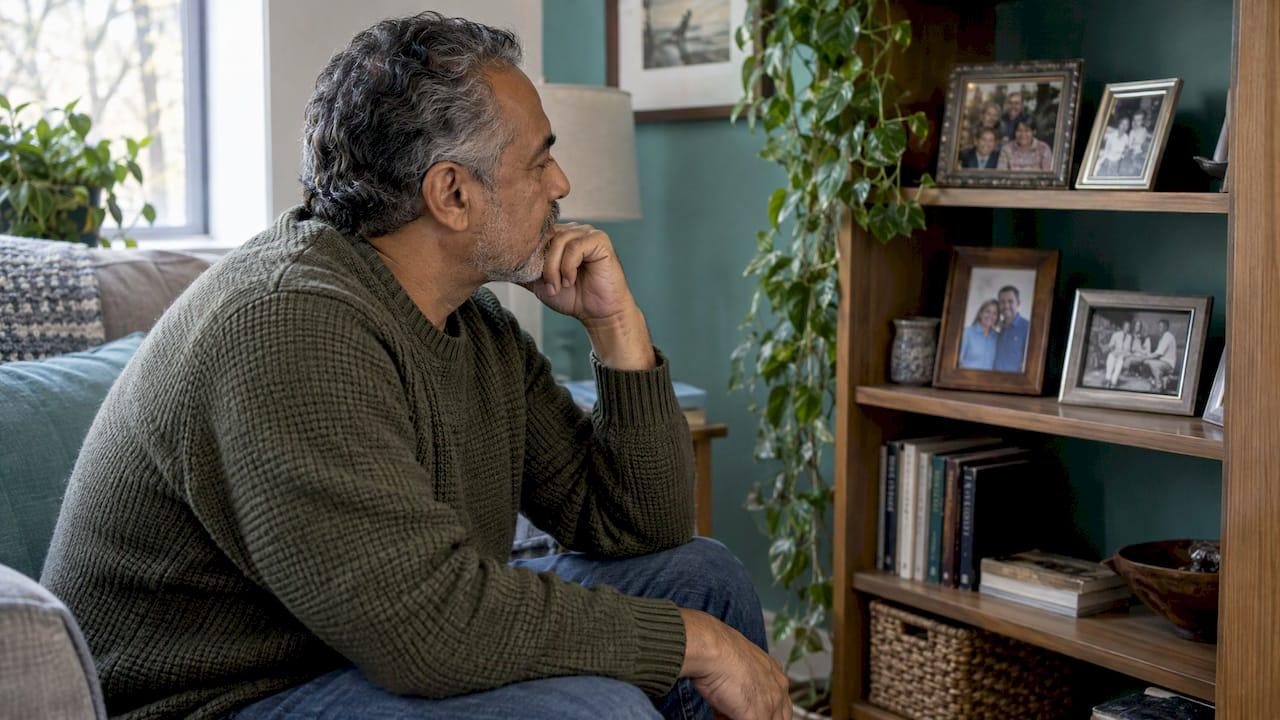
Grief in recovery is not a sign that you are doing recovery wrong. It is a normal response to loss, and in early sobriety it often arrives without the substance you used to muffle it. The risk is real, though: grief that goes unrecognized and unsupported can push people back toward use. The safest path is to treat grief and substance use together, with people who understand both. At Connected Recovery in Van Nuys, Los Angeles, that is how our dual diagnosis care is built, inside a 12-bed setting where your treatment team knows you by name.
TL;DR
- Grief in recovery covers more than death. It includes lost relationships, jobs, health, routines and the substance itself.
- Research links grief and substance use in both directions: people who use substances report complicated grief far more often, and grief can drive use and relapse.
- Grief has no fixed timeline, but intense longing that disables you a year or more after a death, or any new urge to numb feelings with alcohol or drugs, is a reason to call a professional.
- Coping works best as a mix of connection, routine, meaningful ritual and professional support, not willpower alone.
- If grief and cravings are both overwhelming, medically supervised care that treats both conditions together can keep you safe. In crisis, call or text 988.
Table of Contents
- What grief actually feels like in recovery
- How grief and substance use feed each other
- Grief is not a stage list
- Practical ways to grieve and stay sober
- When grief needs professional care
- What integrated care looks like
- Perspective
- Getting started at Connected Recovery
- FAQ
- Sources
What grief actually feels like in recovery
Most people picture grief as sadness after a death. SAMHSA defines grief more broadly: the emotional, mental and physical response to a loss. It lists sadness, anger, guilt, confusion, relief, anxiety, numbness, helplessness, fatigue, loss of appetite and sleep problems among the common reactions.
In recovery, those reactions can be easy to misread. Irritability looks like a bad mood. Numbness looks like "being fine." Restlessness looks like boredom. A sleepless week after a funeral can feel identical to withdrawal or early-recovery insomnia. When you are new to sobriety, you may not yet know which feeling is which, and your old way of answering all of them was to use.
The losses people do not name
Grief in recovery often comes from losses that no one sends a card about:
- A friend, partner or family member who died, including from overdose
- Relationships that ended or were damaged by addiction
- Jobs, housing, finances or legal standing
- Your sense of identity, including who you were when you were using
- The substance itself, which for many people was a daily companion and coping tool
- Years you feel you lost
A 2026 thematic synthesis in Qualitative Health Research describes addiction as involving ongoing, cumulative losses of relationships, jobs and identity. Its authors theorize that working through that grief in recovery may help process unresolved emotions, reduce relapse risk and rebuild self-worth. That is why a person can feel worse emotionally a few weeks into sobriety. The anesthetic is gone, and the losses are still there.
How grief and substance use feed each other
The link between the two is one of the better-documented findings in this area.
The same 2026 synthesis reports that people who use substances are far more likely to have complicated grief reactions than people without substance use difficulties: 34% versus 5%. The authors point to trouble regulating emotions, stigma, and fewer psychosocial buffers such as stable support. They also note that people may turn to substances, or use more, for quick relief from grief-related distress, and that missing recognition and tailored support may contribute to continued use and relapse.
A 2019 systematic review in the Journal of Substance Abuse Treatment pooled 12 peer-reviewed studies with 1,749 participants. It found that substance misuse raised the risk of later complicated grief, especially when consumption increased before the bereavement. Complicated grief, in turn, predicted rises in smoking and alcohol dependence. Encouragingly, grief interventions reduced symptoms of both conditions at the same time.
A 2021 study in Frontiers in Psychology of 196 bereaved people in substance use treatment found complicated grief in 34.2% of them. It was tied to less adaptive coping: suppressing or flooding emotion, withdrawing from others, wishful thinking and self-criticism. The authors recommend building problem solving, cognitive restructuring and social support.

Why a double loss is so heavy
A 2021 paper in Substance Use & Misuse makes a point many people in recovery recognize at once. Losing a loved one while also losing your drug of choice can be overwhelming, and that combination may precipitate relapse. You are grieving a person and grieving your main coping tool in the same weeks.
The American Psychiatric Association adds context in its guide for faith leaders: mental health conditions may come before addiction, substance misuse can trigger or worsen a mental illness, and stopping use is only one part of recovery. Relapse happens often along the way. Grief sits right at that crossroads of mental health and addiction, which is why it belongs in the treatment plan and not only in your private thoughts.
Grief is not a stage list
You may have heard that grief moves through neat stages. The research is less tidy. Stroebe and Schut's dual-process model describes healthy grieving as a swing between two kinds of stress: loss-oriented (yearning, rumination, facing the pain) and restoration-oriented (rebuilding daily life without the person). Taking breaks from grieving is part of coping well, not avoidance.
This matters in recovery. You do not have to cry through every memory this week. You can spend a morning on meetings, work or exercise, and an evening looking at photos, and both are part of the same healthy pattern. What you want to avoid is using a substance to do the stepping away.
Practical ways to grieve and stay sober
SAMHSA's list of coping strategies is a good base: support from friends, family and community; cultural, social, religious or faith rituals; local or virtual grief support groups; grief counseling; peer support; artistic expression; movement and exercise; and reaching out to a mental health professional. The University of Rochester Medical Center adds eating well, sleeping enough, keeping normal routines, resisting the urge to numb pain with alcohol or drugs, and being patient, since there is no standard timetable for grief.
Here is how that looks day to day.
- Name the loss out loud. Say to your sponsor, therapist or a trusted person exactly what you lost. Vague distress is harder to handle than a named loss.
- Tell someone about cravings the same day. Grief spikes around anniversaries, birthdays and holidays. Plan those dates ahead of time and decide who you will call.
- Keep the basics steady. Meals, sleep, a daily walk and your usual meetings are the structure that holds when emotion does not.
- Create a ritual. Write a letter, plant something, light a candle, hold a small memorial or donate in the person's name. Rituals give the feeling somewhere to go.
- Move your body. Exercise is on SAMHSA's list for good reason: it gives stress a physical outlet that does not carry relapse risk.
- Use group or peer support. Hearing others say the unsayable, including guilt and relief, reduces shame, which the Frontiers study connects with poorer outcomes when it turns into self-criticism.
- Add professional help early. Waiting until you are in crisis is the common mistake.
Clinicians who work with the bereaved describe these same principles in care of bereaved persons: acknowledging the loss, offering counseling and peer support, and connecting people with community resources.
Watch the guilt and the "just one" thinking
Two thoughts show up again and again after a loss: "They would understand if I drank tonight," and "I failed them, so what is the point." Both are grief talking. Treat them as warning signs, and tell someone as soon as they appear.
When grief needs professional care
Grief itself is not a disorder. But some patterns are a signal to get help.
In 2022 the American Psychiatric Association added Prolonged Grief Disorder to the DSM-5-TR, the manual clinicians use to diagnose mental health conditions. According to SAMHSA, its main features are intense yearning or preoccupation with the person who died, significant persistent distress, and a significant drop in functioning, with symptoms lasting more than one year in adults. A 2025 clinical review notes that it typically begins 6 to 12 months after a death, that psychotherapy is the main treatment, and that earlier, milder presentations can be monitored and offered support as needed.
The University of Rochester guidance says to contact a doctor right away if you have those symptoms, if you are using drugs or alcohol more, or newly, to numb feelings, or if people close to you urge you to get help. That middle point is the one that matters most here. If grief is pulling you back toward use, do not wait for the one-year mark.

If you are in crisis or thinking about harming yourself, call or text 988, or chat at 988lifeline.org. The line is available 24 hours a day.
Signs that your current support is not enough
- You are craving more often than you were before the loss
- You have stopped going to meetings or seeing your sober supports
- You cannot sleep or eat for days at a time
- You have started using again, even once, and feel you cannot stop
- Mental health symptoms such as panic, hopelessness or flashbacks are getting in the way of daily life
If several of these fit, a structured level of care is worth considering. For a person who has relapsed, medical detox may be the safe first step, since stopping some substances abruptly can be dangerous without supervision.
What integrated care looks like
The research above points in one direction: grief and substance use do better when treated at the same time. This is the thinking behind dual diagnosis treatment, which cares for a substance use disorder and a co-occurring mental health condition together instead of one after the other. You can read more about how that works on our dual diagnosis page, and in our pieces on anxiety and addiction treatment and whole-person recovery.
For families, grief often sits on both sides. You may be grieving the person your loved one was before addiction, while they grieve a death or a lost life. Our programs include a family program, and case management and discharge planning so that the plan after treatment is set before leaving.
Perspective
Grief is the part of recovery that people most often try to handle alone. They are ashamed that a loss is making them want to use, so they say nothing, and the silence is where the danger is.
We built Connected Recovery around being small on purpose. With 12 beds, our team can notice when a client goes quiet after a phone call, or when an anniversary is coming up, and respond to it. Our medical supervision runs 24/7, and we treat substance use and co-occurring mental health disorders together, because grief rarely arrives as a separate problem.
The goal is not to rush anyone through sadness. It is to give grief a safe place, with clinical support, so that it does not have to be numbed. Care that covers detox, residential treatment and aftercare planning means you are not starting over with new people each time your needs change.
Jim
Getting started at Connected Recovery
If grief has put your sobriety at risk, or you are worried about a family member who is using to cope with a loss, we can talk through what level of care fits. Connected Recovery is an accredited, 12-bed facility in Van Nuys, Los Angeles, offering medical detox, residential treatment, medication-assisted treatment and aftercare planning, with 24/7 medical supervision.

You can reach us through our main site to ask about admissions and how we work with insurance or private pay. Admission inquiries are handled with discretion.
FAQ
Can grief cause a relapse?
Yes, it can raise the risk. Research describes people turning to or increasing substance use for short-term relief from grief-related distress, and notes that missing recognition and support may contribute to relapse. Telling your sponsor, therapist or treatment team about cravings early is the most effective protective step.
How long does grief last in recovery?
There is no standard timetable. Many people feel gradual change over months, and anniversaries can bring waves back. If intense longing and disabling distress continue past a year after a death, or if you are using to numb feelings sooner than that, talk with a doctor or mental health professional.
Is it normal to grieve the substance I stopped using?
Yes. For many people the substance was a daily coping tool and a social world. Researchers describe the loss of a drug of choice alongside other losses as a real grief that can feel overwhelming in recovery. Naming it in therapy or a support group helps it lose power.
What is the difference between grief and depression in recovery?
Grief tends to come in waves tied to the loss, while depression is a more constant low mood and loss of interest. They can overlap, and early recovery can blur both. A clinician who treats mental health and addiction together can sort out what is going on and plan care for each.
Should I enter treatment if grief is making me want to use?
If cravings are strong, you have already relapsed, or your usual supports are not holding, a higher level of care is a reasonable step. If you are in immediate crisis, call or text 988 first. Our admissions team can discuss whether detox, residential or dual diagnosis care fits your situation.
Sources
- Coping with Bereavement and Grief, SAMHSA
- Grief and Substance Use: A Thematic Synthesis, Qualitative Health Research (2026)
- The relationship between substance misuse and complicated grief, Journal of Substance Abuse Treatment (2019)
- Coping Strategies and Complicated Grief in a Substance Use Disorder Sample, Frontiers in Psychology (2021)
- Co-Occurring Substance Use Disorders and Grief during Recovery, Substance Use & Misuse (2021)
- Mental Health: A Guide for Faith Leaders, American Psychiatric Association
- The Dual Process Model of Coping with Bereavement, Stroebe and Schut (1999)
- Grief and loss health encyclopedia, University of Rochester Medical Center
- Prolonged grief disorder, clinical review (2025)